Global Baby Snacks Market Size- By Product Type, By Age Group, By Ingredient Type, By Nutritional Content, By Distribution Channel - Regional Outlook, Competitive Strategies and Segment Forecast to 2034
INDUSTRY –
According to SPER Market Research, the Global Baby Snacks Market is estimated to reach USD 26.04 billion by 2034 with a CAGR of 6.25%.
Introduction and Overview
The report includes an in-depth analysis of the Global Baby Snacks Market, including market size and trends, product mix, Applications, and supplier analysis.
The global Baby Snacks market was valued at USD 14.2 billion in 2024, and it is expected to rise at a 6.25% CAGR from 2025 to 2034. Rising parental demand for convenient, on-the-go nutrition has increased the popularity of ready-to-eat snacks that save time while supporting healthy development. Growing awareness of infant and toddler nutrition encourages parents to choose fortified, nutrient-rich products made with natural and safe ingredients. The market is also boosted by a strong shift toward organic and clean-label snacks, as parents increasingly avoid artificial additives, preservatives, and added sugars. Continuous product innovation, including new textures, Flavors, and formats such as puffs, melts, and fruit-based snacks, further expands consumer interest.
By Product Type Insights
The puffs segment is the dominant category in the baby snacks market. Its dominance comes from the unique advantages it offers for infants and toddlers. Puffs have a soft, melt-in-the-mouth texture that ensures safe consumption for young children who are still developing chewing abilities. They also encourage self-feeding, which makes them highly preferred by parents who want to support early motor skill development. In addition, puffs continue to evolve with healthier formulations, including vegetable-based options, reduced sodium, and more exciting Flavors that help introduce children to a wider variety of tastes. These combined benefits make puffs the most popular and widely chosen segment in the baby snacks market.
By Age Group Insights
In 2024, The 12–24 months age group is the dominant segment in the baby snacks market. This segment leads because toddlers at this stage have rapidly developing taste preferences, higher snack consumption, and greater nutritional needs compared to younger age groups. Parents also become more willing to spend on snacks with richer formulations, better ingredients, and more advanced nutritional benefits as children transition into more active phases of growth. Products for this age group resemble mini versions of adult snacks, making them more appealing for both toddlers and caregivers. Additionally, convenient and portable packaging suits the lifestyle of active toddlers and busy parents, further solidifying this segment’s dominance in the market.
By Ingredient Type Insights
The conventional segment is the dominant ingredient category in the baby snacks market. Its dominance is driven by its high affordability, wide availability, and accessibility across both developed and developing regions. Unlike organic or specialized certified products, conventional baby snacks do not require costly certifications or complex regulatory approvals. This allows companies to produce them at scale and offer them at prices that are attractive to the mass market. Additionally, ongoing clean-label innovations—such as using simpler ingredients, reducing additives, and improving transparency—make conventional products even more appealing to parents who want healthier options without paying premium prices. These factors collectively ensure that the conventional segment continues to hold the largest share of the market.
By Nutritional Content Insights
The low sugar segment is the dominant category in the baby snacks market. Its dominance is driven by the growing awareness among parents about the negative effects of high sugar intake at an early age. As health consciousness rises, especially in urban and educated populations, parents increasingly look for snacks that prioritize natural sweetness from fruits and vegetables rather than added sugars. Public health initiatives, sugar taxes, and evolving nutritional guidelines further support this shift toward low-sugar options. Manufacturers are also actively reformulating products to reduce added sugar, aligning with consumer expectations. This strong demand for healthier, safer, and more nutritionally balanced snack choices makes the low sugar segment the leading category in the market.
Distribution Channel Insights
The supermarkets and hypermarkets segment is the dominant distribution channel in the baby snacks market. Its dominance is driven by the wide availability of brands, competitive pricing, and the convenience of purchasing multiple baby products in one place. These stores offer strong product visibility through shelf displays, which encourages impulse buying an important factor for baby food and snacks. Parents also trust large retail chains because they provide a reliable assortment of established brands, frequent promotions, and easy access to new product launches. The combination of affordability, convenience, and broad product exposure keeps supermarkets and hypermarkets the leading and most preferred distribution channel in the baby snacks market.
Regional Insights
The United States dominates the baby snacks market due to its advanced product innovation, strong regulatory oversight, and highly segmented consumer base. Parents increasingly seek convenient yet nutritious snack options, driving growth across both premium and economy categories. The FDA’s strict guidelines on ingredients and allergen claims strengthen consumer trust and influence product development. While traditional retail remains important, digital discovery and e-commerce subscriptions are rapidly expanding, especially among millennial and Gen Z parents who prefer curated, clean-label, plant-based, and sustainably sourced products. This shift in preferences, combined with a well-developed multichannel distribution system, reinforces the U.S. as the leading and most influential market for baby snacks.
Market Competitive Landscape
The baby snacks market features a highly competitive landscape, driven by continuous product innovation, strong brand positioning, and expanding global distribution. Major players focus on diversifying their portfolios with organic, clean-label, low-sugar, and allergen-free formulations to meet evolving parental preferences. Companies also invest heavily in research and development to introduce new textures, Flavors, and nutrient-rich ingredients that support early childhood development. Partnerships with retailers, e-commerce platforms, and paediatric experts help strengthen brand credibility. Competitors further differentiate themselves through sustainable packaging, transparent labelling, and aggressive digital marketing targeting millennial and Gen Z parents. Overall, competition intensifies as both established brands and emerging startups strive to capture growing demand for convenient, safe, and nutritious baby snack options.
Recent Developments:
• In March 2025, Plasmon is expected to undergo an acquisition overseen by Kozlowski and Partners. The well-known infant formula and homogenized baby food brand has been facing difficulties due to declining birth rates in Italy. The potential buyers were anticipated to submit their offers. Analysts such as Sowty and McCully noted that investors responded positively to Houlihan’s strategic approach.
• In September 2024, Nestlé expanded its operations in China by opening its first Gerber NutriPuffs cereal snack production facility, located in the Shuang Cheng District of Harbin City in Heilongjiang Province.
Scope of the report:
Report Metric Details
Market size available for the years 2021-2034
Base year considered 2024
Forecast Period 2025-2034
Segments Covered By Product Type, By Age Group, By Ingredient Type, By Nutritional Content, By Distribution Channel
Regions Covered North America, Latin America, Asia-Pacific, Europe, and Middle East & Africa
Companies Covered Nestlé, HiPP, Kraft Heinz, Plum PBC, Kalbe international Pte. Ltd, Nurture, Inc, Mead Johnson & Company, LLC, Danone, Keellssuper, MacBaby Cookie Company
Key Topics Covered in the Report
• Global Baby Snacks Market Size (FY’2021-FY’2034)
• Overview of Global Baby Snacks Market
• Segmentation of Global Baby Snacks Market by Product Type (Puffs, biscuits and cookies, fruit-based snacks, yogurt drops and freeze-dried snacks, vegetable-based snacks, teething biscuits and rusks, and other snack types)
• Segmentation of Global Baby Snacks Market by Age Group (6–9 months, 9–12 months, 12–24 months, and above 24 months)
• Segmentation of Global Baby Snacks Market by Ingredient Type (Organic, conventional, non-GMO, gluten-free, and allergen-free)
• Segmentation of Global Baby Snacks Market by Nutritional Content (High protein, Low sugar, Whole grain, Superfood-enriched)
• Segmentation of Global Baby Snacks Market by Distribution Channel (Supermarkets and hypermarkets, Convenience stores and drugstores, Specialty baby stores, Online retail, Direct-to-consumer, Others)
• Statistical Snap of Global Baby Snacks Market
• Expansion Analysis of Global Baby Snacks Market
• Problems and Obstacles in Global Baby Snacks Market
• Competitive Landscape in the Global Baby Snacks Market
• Details on Current Investment in Global Baby Snacks Market
• Competitive Analysis of Global Baby Snacks Market
• Prominent Players in the Global Baby Snacks Market
• SWOT Analysis of Global Baby Snacks Market
• Global Baby Snacks Market Future Outlook and Projections (FY’2025-FY’2034)
• Recommendations from Analyst
Global Baby Snacks Market Size- By Product Type, By Age Group, By Ingredient Type, By Nutritional Content, By Distribution Channel - Regional Outlook, Competitive Strategies and Segment Forecast to 2034
1. Introduction
1.1. Scope of the report
1.2. Market segment analysis
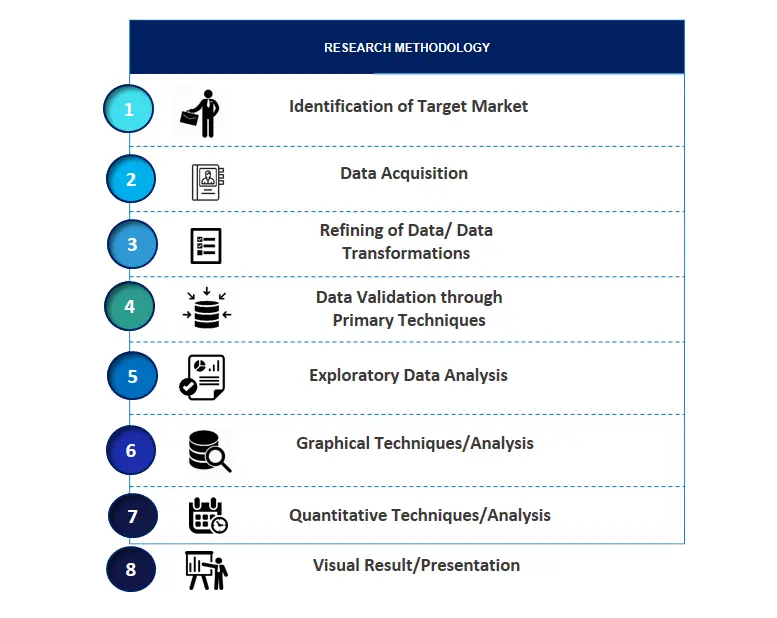
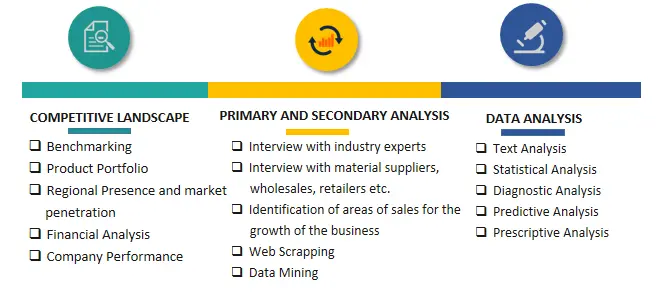
2. Research Methodology
2.1. Research data source
2.1.1. Secondary Data
2.1.2. Primary Data
2.1.3. SPER’s internal database
2.1.4. Premium insight from KOL’s
2.2. Market size estimation
2.2.1. Top-down and Bottom-up approach
2.3. Data triangulation
3. Executive Summary
4. Market Dynamics
4.1. Driver, Restraint, Opportunity and Challenges analysis
4.1.1. Drivers
4.1.2. Restraints
4.1.3. Opportunities
4.1.4. Challenges
5. Market variable and outlook
5.1. SWOT Analysis
5.1.1. Strengths
5.1.2. Weaknesses
5.1.3. Opportunities
5.1.4. Threats
5.2. PESTEL Analysis
5.2.1. Political Landscape
5.2.2. Economic Landscape
5.2.3. Social Landscape
5.2.4. Technological Landscape
5.2.5. Environmental Landscape
5.2.6. Legal Landscape
5.3. PORTER’s Five Forces
5.3.1. Bargaining power of suppliers
5.3.2. Bargaining power of buyers
5.3.3. Threat of Substitute
5.3.4. Threat of new entrant
5.3.5. Competitive rivalry
5.4. Heat Map Analysis
6. Competitive Landscape
6.1. Global Baby Snacks Market Manufacturing Base Distribution, Sales Area, Product Type
6.2. Mergers & Acquisitions, Partnerships, Product Launch, and Collaboration in Global Baby Snacks Market
7. Global Baby Snacks Market, By Product Type (USD Million) 2021-2034
7.1. Puffs
7.2. Biscuits and cookies
7.3. Fruit-based snacks
7.4. Yogurt drops and freeze-dried snacks
7.5. Vegetable-based snacks
7.6. Teething biscuits and rusks
7.7. Other snack types
8. Global Baby Snacks Market, By Age Group (USD Million) 2021-2034
8.1. 6-9 Months
8.2. 9-12 Months
8.3. 12-24 Months
8.4. Above 24 Months
9. Global Baby Snacks Market, By Ingredient Type (USD Million) 2021-2034
9.1. Organic
9.2. Conventional
9.3. Non-gmo
9.4. Gluten-free
9.5. Allergen-free
10. Global Baby Snacks Market, By Nutritional Content (USD Million) 2021-2034
10.1. High protein
10.2. Low sugar
10.3. Whole grain
10.4. Superfood-enriched
11. Global Baby Snacks Market, Distribution Channel (USD Million) 2021-2034
11.1. Supermarkets and hypermarkets
11.2. Convenience stores and drugstores
11.3. Specialty baby stores
11.4. Online retail
11.5. Direct-to-consumer
11.6. Others
12. Global Baby Snacks Market, (USD Million) 2021-2034
12.1. Global Baby Snacks Market Size and Market Share
13. Global Baby Snacks Market, By Region, (USD Million) 2021-2034
13.1. Asia-Pacific
13.1.1. Australia
13.1.2. China
13.1.3. India
13.1.4. Japan
13.1.5. South Korea
13.1.6. Rest of Asia-Pacific
13.2. Europe
13.2.1. France
13.2.2. Germany
13.2.3. Italy
13.2.4. Spain
13.2.5. United Kingdom
13.2.6. Rest of Europe
13.3. Middle East and Africa
13.3.1. Kingdom of Saudi Arabia
13.3.2. United Arab Emirates
13.3.3. Qatar
13.3.4. South Africa
13.3.5. Egypt
13.3.6. Morocco
13.3.7. Nigeria
13.3.8. Rest of Middle-East and Africa
13.4. North America
13.4.1. Canada
13.4.2. Mexico
13.4.3. United States
13.5. Latin America
13.5.1. Argentina
13.5.2. Brazil
13.5.3. Rest of Latin America
14. Company Profile
14.1. Danone
14.1.1. Company details
14.1.2. Financial outlook
14.1.3. Product summary
14.1.4. Recent developments
14.2. HiPP
14.2.1. Company details
14.2.2. Financial outlook
14.2.3. Product summary
14.2.4. Recent developments
14.3. Kalbe International Pte. Ltd
14.3.1. Company details
14.3.2. Financial outlook
14.3.3. Product summary
14.3.4. Recent developments
14.4. Keellssuper
14.4.1. Company details
14.4.2. Financial outlook
14.4.3. Product summary
14.4.4. Recent developments
14.5. Kraft Heinz
14.5.1. Company details
14.5.2. Financial outlook
14.5.3. Product summary
14.5.4. Recent developments
14.6. MacBaby Cookie Company
14.6.1. Company details
14.6.2. Financial outlook
14.6.3. Product summary
14.6.4. Recent developments
14.7. Mead Johnson & Company, LLC
14.7.1. Company details
14.7.2. Financial outlook
14.7.3. Product summary
14.7.4. Recent developments
14.8. Nestlé
14.8.1. Company details
14.8.2. Financial outlook
14.8.3. Product summary
14.8.4. Recent developments
14.9. Nurture, Inc
14.9.1. Company details
14.9.2. Financial outlook
14.9.3. Product summary
14.9.4. Recent developments
14.10. Plum PBC
14.10.1. Company details
14.10.2. Financial outlook
14.10.3. Product summary
14.10.4. Recent developments
14.11. Others
15. Conclusion
16. List of Abbreviations
17. Reference Links