Global Blast Freezing for Frozen Food and Feed Market Growth, Size, Trends Analysis- By Product Type, By End Use, By Distribution Channel, By Application - Regional Outlook, Competitive Strategies and Segment Forecast to 2034
According to SPER Market Research, the Global Blast Freezing for Frozen Food and Feed Market is estimated to reach USD 51.79 billion by 2034 with a CAGR of 5.79%.
Introduction and Overview
The report includes an in-depth analysis of the Global Blast Freezing for Frozen Food and Feed Market, including market size and trends, product mix, Applications, and supplier analysis.
The Global Blast Freezing for Frozen Food and Feed Market was valued at USD 51.79 billion in 2024, and it is expected to rise at a 5.79% CAGR from 2025 to 2034. The Global Blast Freezing for Frozen Food and Feed Market is driven by the growing consumer preference for high-quality frozen and convenience foods, fueled by busy lifestyles and the need for longer shelf life without compromising nutrition. Increasingly strict food safety and hygiene regulations worldwide are also pushing manufacturers to adopt reliable freezing technologies that maintain product integrity. Additionally, rapid advancements in energy-efficient, automated blast freezing systems are making operations more cost-effective and scalable. These innovations not only reduce energy consumption but also enhance freezing speed and consistency, further supporting market expansion.
By Product Type Insights
The food segment holds the largest share of the blast freezing market due to its essential role in preserving freshness, texture, and nutritional value across a wide range of products, including meat, poultry, seafood, fruits, vegetables, dairy, bakery items, and ready-to-eat meals. Rising global consumption of these products, along with rapid urbanization and the expansion of retail and online grocery platforms, further drives demand. Blast freezing is vital for ensuring product quality during long-distance distribution and meeting strict international food safety standards. Additionally, technological advancements such as Individual Quick Freezing (IQF) continue to enhance product quality and strengthen market adoption.
By End-Use Insights
The food processing industry accounts for a major share of the blast freezing market and is projected to grow steadily during the forecast period. This sector relies heavily on blast freezing to maintain the quality, texture, and nutritional value of both raw materials and finished products. It is essential for processing meat, seafood, fruits, vegetables, dairy, and bakery items. Rising global food trade, stricter safety regulations, and the need for products with longer shelf life have strengthened its use. Advancements in automation, faster freezing cycles, and improved cold chain systems further elevate its importance. Enhanced hygiene standards and scientific handling of frozen foods continue to expand adoption across markets.
By Distribution Channel Insights
Direct sales form a key part of the blast freezing market, especially for large buyers such as food processors, pharmaceutical firms, and animal feed manufacturers. This channel offers greater control over pricing, quality, and customized freezing solutions. Distributors and wholesalers further support the market by supplying smaller businesses such as regional restaurants, food service operators, and feed producers while handling logistics, storage, and inventory. Retail outlets, including supermarkets and specialty stores, make blast frozen products accessible to consumers, particularly items like meat, seafood, and ready meals. The rapid growth of e-commerce has strengthened this reach, enabling convenient home delivery of frozen goods.
By Application Insights
Human consumption represents a major application area for blast freezing, as the method helps preserve the texture, flavor, and nutritional value of foods while extending shelf life. It is widely used for meats, seafood, vegetables, bakery products, and ready meals, supporting global distribution and compliance with strict food safety regulations. For animal consumption, blast freezing is essential in maintaining the quality of pet food, aquaculture feed, and livestock feed by preventing spoilage and preserving nutrients. In industrial sectors such as pharmaceuticals and biotechnology, blast freezing plays a crucial role in protecting sensitive materials including vaccines, enzymes, and medical substances by ensuring precise temperature control.
Regional Insights
The U.S. leads the blast freezing market for frozen food and feed, driven by rising seafood consumption and advancements in freezing technologies. Blast freezing is widely used to preserve the texture, freshness, and shelf life of products such as shrimp and shellfish, which require careful handling to maintain premium quality. Technological progress, including IoT-enabled blast freezers, has boosted operational efficiency and reduced energy usage without affecting product integrity. Additionally, the shift toward environmentally friendly refrigerants like carbon dioxide and ammonia supports sustainability goals and appeals to eco-conscious consumers. These factors collectively strengthen the dominance of the U.S. market.
Market Competitive Landscape
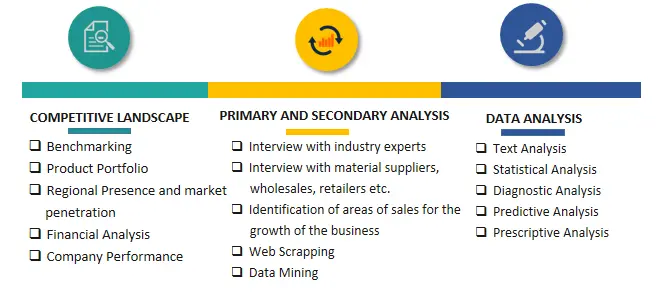
Competition in the blast freezing market is driven by manufacturers that prioritize precision engineering, high throughput, and consistent product quality. Leading players focus on developing reliable refrigeration systems, modular freezing units that allow scalable expansion, and automated solutions tailored for industries such as poultry, seafood, and meat processing. Many suppliers also offer integrated processing and freezing systems that streamline operations for large facilities. Others specialize in thermal efficiency and strong after-sales support, ensuring dependable performance across regions. Smaller-scale solutions for catering and retail sectors are also gaining traction. Innovations in airflow technology and energy-efficient designs further shape market differentiation and customer preference.
Recent Developments:
â— In January 2025, a significant advancement was highlighted with the introduction of an LN2-based blast freezer designed to improve the efficiency of plasma processing in blood banks. The system rapidly freezes large batches of plasma within minutes, helping eliminate processing delays. Its environmentally friendly, refrigerant-free design lowers energy use and maintenance needs compared to traditional compressor systems. The unit adheres to regulatory validation standards and supports both rapid freezing and optional thawing in one device, ensuring consistent product quality.
â— In September 2024, a new blast freezer was introduced in the UK, promoted for offering notable energy savings and faster freezing performance compared to conventional models. Unveiled at a major cold chain industry event, it features optimized airflow, automated temperature management, and smart lighting technology. Optional sustainability enhancements, including renewable energy integrations, are also available. Each unit sold contributes to global community initiatives supporting clean water, food security, and medical assistance.
Scope of the report:
Report Metric Details
Market size available for the years 2021-2034
Base year considered 2024
Forecast Period 2025-2034
Segments Covered By Product Type, By End Use, By Distribution Channel, By Application
Regions Covered North America, Latin America, Asia-Pacific, Europe, Middle East & Africa
Companies Covered Archer Daniels Midland (ADM), Charoen Pokphand Foods, Conagra Brands, General Mills, McCain Foods, Nestlé S.A., Nomad Foods, Tyson Foods, Unilever
Key Topics Covered in the Report
◠Global Blast Freezing for Frozen Food and Feed Market Size (FY’2021-FY’2034)
â— Overview of Global Blast Freezing for Frozen Food and Feed Market
â— Segmentation of Global Blast Freezing for Frozen Food and Feed Market By Product Type (Food, Feed)
â— Segmentation of Global Blast Freezing for Frozen Food and Feed Market By End Use (Food processing industry, Food service industry, Retail and supermarkets, Animal feed manufacturers, pharmaceutical industry, Others)
â— Segmentation of Global Blast Freezing for Frozen Food and Feed Market By Distribution channel (Direct sales, Distributors and wholesalers, Retail outlets, Online retail, Others)
â— Segmentation of Global Blast Freezing for Frozen Food and Feed Market By Application (Human consumption, Animal consumption, Industrial applications)
â— Statistical Snap of Global Blast Freezing for Frozen Food and Feed Market
â— Expansion Analysis of Global Blast Freezing for Frozen Food and Feed Market
â— Problems and Obstacles in Global Blast Freezing for Frozen Food and Feed Market
â— Competitive Landscape in the Global Blast Freezing for Frozen Food and Feed Market
â— Details on Current Investment in Global Blast Freezing for Frozen Food and Feed Market
â— Competitive Analysis of Global Blast Freezing for Frozen Food and Feed Market
â— Prominent Players in the Global Blast Freezing for Frozen Food and Feed Market
â— SWOT Analysis of Global Blast Freezing for Frozen Food and Feed Market
◠Global Blast Freezing for Frozen Food and Feed Market Future Outlook and Projections (FY’2025-FY’2034)
â— Recommendations from Analyst
Global Blast Freezing for Frozen Food and Feed Market- By Product Type, By End Use, By Distribution Channel, By Application - Regional Outlook, Competitive Strategies and Segment Forecast to 2034
1. Introduction
1.1. Scope of the report
1.2. Market segment analysis
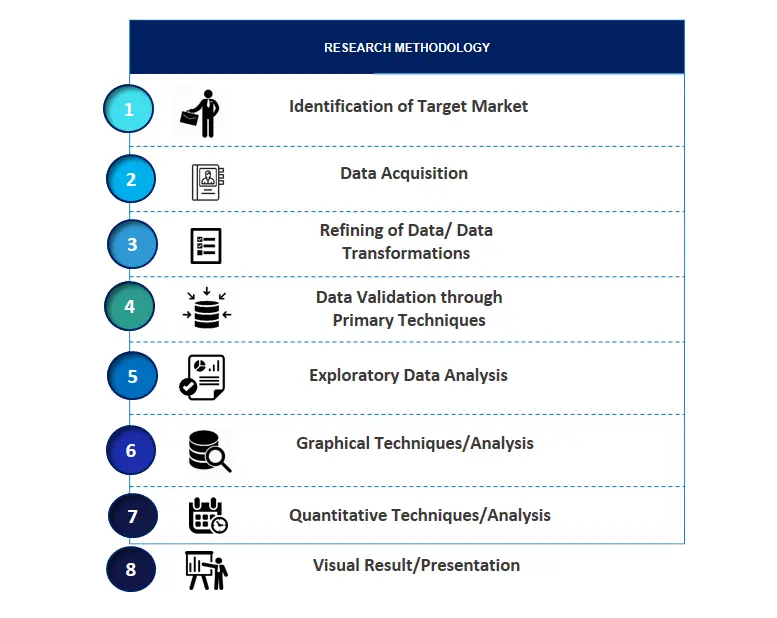
2. Research Methodology
2.1. Research data source
2.1.1. Secondary Data
2.1.2. Primary Data
2.1.3. SPER’s internal database
2.1.4. Premium insight from KOL’s
2.2. Market size estimation
2.2.1. Top-down and Bottom-up approach
2.3. Data triangulation
3. Executive Summary
4. Market Dynamics
4.1. Driver, Restraint, Opportunity and Challenges analysis
4.1.1. Drivers
4.1.2. Restraints
4.1.3. Opportunities
4.1.4. Challenges
5. Market variable and outlook
5.1. SWOT Analysis
5.1.1. Strengths
5.1.2. Weaknesses
5.1.3. Opportunities
5.1.4. Threats
5.2. PESTEL Analysis
5.2.1. Political Landscape
5.2.2. Economic Landscape
5.2.3. Social Landscape
5.2.4. Technological Landscape
5.2.5. Environmental Landscape
5.2.6. Legal Landscape
5.3. PORTER’s Five Forces
5.3.1. Bargaining power of suppliers
5.3.2. Bargaining power of buyers
5.3.3. Threat of Substitute
5.3.4. Threat of new entrant
5.3.5. Competitive rivalry
5.4. Heat Map Analysis
6. Competitive Landscape
6.1. Global Blast Freezing for Frozen Food and Feed Market Manufacturing Base Distribution, Sales Area, Product Type
6.2. Mergers & Acquisitions, Partnerships, Product Launch, and Collaboration in Global Blast Freezing for Frozen Food and Feed Market
7. Global Blast Freezing for Frozen Food and Feed Market, By Product Type (USD Million) 2021-2034
7.1. Food
7.2. Feed
8. Global Blast Freezing for Frozen Food and Feed Market, By End Use (USD Million) 2021-2034
8.1. Food processing industry
8.2. Food service industry
8.3. Retail and supermarkets
8.4. Animal feed manufacturers
8.5. Pharmaceutical industry
8.6. Others
9. Global Blast Freezing for Frozen Food and Feed Market, By Distribution Channel (USD Million) 2021-2034
9.1. Direct sales
9.2. Distributors and wholesalers
9.3. Retail outlets
9.4. Online retail
9.5. Others
10. Global Blast Freezing for Frozen Food and Feed Market, By Application (USD Million) 2021-2034
10.1. Human consumption
10.2. Animal consumption
10.3. Industrial applications
11. Global Blast Freezing for Frozen Food and Feed Market, (USD Million) 2021-2034
11.1. Global Blast Freezing for Frozen Food and Feed Market Size and Market Share
12. Global Blast Freezing for Frozen Food and Feed Market, By Region, (USD Million) 2021-2034
12.1. Asia-Pacific
12.1.1. Australia
12.1.2. China
12.1.3. India
12.1.4. Japan
12.1.5. South Korea
12.1.6. Rest of Asia-Pacific
12.2. Europe
12.2.1. France
12.2.2. Germany
12.2.3. Italy
12.2.4. Spain
12.2.5. United Kingdom
12.2.6. Rest of Europe
12.3. Middle East and Africa
12.3.1. Kingdom of Saudi Arabia
12.3.2. United Arab Emirates
12.3.3. Qatar
12.3.4. South Africa
12.3.5. Egypt
12.3.6. Morocco
12.3.7. Nigeria
12.3.8. Rest of Middle-East and Africa
12.4. North America
12.4.1. Canada
12.4.2. Mexico
12.4.3. United States
12.5. Latin America
12.5.1. Argentina
12.5.2. Brazil
12.5.3. Rest of Latin America
13. Company Profile
13.1. Archer Daniels Midland (ADM)
13.1.1. Company details
13.1.2. Financial outlook
13.1.3. Product summary
13.1.4. Recent developments
13.2. Charoen Pokphand Foods
13.2.1. Company details
13.2.2. Financial outlook
13.2.3. Product summary
13.2.4. Recent developments
13.3. Conagra Brands
13.3.1. Company details
13.3.2. Financial outlook
13.3.3. Product summary
13.3.4. Recent developments
13.4. General Mills
13.4.1. Company details
13.4.2. Financial outlook
13.4.3. Product summary
13.4.4. Recent developments
13.5. McCain Foods
13.5.1. Company details
13.5.2. Financial outlook
13.5.3. Product summary
13.5.4. Recent developments
13.6. Nestlé S.A.
13.6.1. Company details
13.6.2. Financial outlook
13.6.3. Product summary
13.6.4. Recent developments
13.7. Nomad Foods
13.7.1. Company details
13.7.2. Financial outlook
13.7.3. Product summary
13.7.4. Recent developments
13.8. Tyson Foods
13.8.1. Company details
13.8.2. Financial outlook
13.8.3. Product summary
13.8.4. Recent developments
13.9. Unilever
13.9.1. Company details
13.9.2. Financial outlook
13.9.3. Product summary
13.9.4. Recent developments
13.10. Others
14. Conclusion
15. List of Abbreviations
16. Reference Links