According to SPER Market Research, the Global Probiotic Drinks Market is estimated to reach USD 37.02 billion by 2034 with a CAGR of 7.54%.
Introduction and Overview
The report includes an in-depth analysis of the Global Probiotic Drinks Market, including market size and trends, product mix, Applications, and supplier analysis.
The Global Probiotic Drinks Market was valued at USD 17.9 billion in 2024, and it is expected to rise at a 7.54% CAGR from 2025 to 2034. The Global Probiotic Drinks Market is driven by the growing consumer preference for high-quality frozen and convenience foods, fueled by busy lifestyles and the need for longer shelf life without compromising nutrition. Increasingly strict food safety and hygiene regulations worldwide are also pushing manufacturers to adopt reliable freezing technologies that maintain product integrity. Additionally, rapid advancements in energy-efficient, automated blast freezing systems are making operations more cost-effective and scalable. These innovations not only reduce energy consumption but also enhance freezing speed and consistency, further supporting market expansion.
By Product Type Insights: Dairy-based probiotic beverage dominated the market:
The probiotic drinks market includes a broad mix of product categories tailored to different consumer preferences. Dairy-based probiotic beverages remain the most established segment because of their strong nutritional benefits and the popularity of yogurt drinks and kefir. At the same time, plant-based probiotic options are expanding quickly as more consumers look for vegan, lactose-free, and allergen-friendly alternatives made from ingredients like soy, almond, coconut, and oat. Fruit and vegetable-based probiotic drinks are also attracting interest by blending probiotics with natural vitamins and antioxidants. Additionally, water-based probiotic drinks and fermented beverages such as kombucha and kvass are gaining traction for their refreshing taste and natural wellness appeal.
By Probiotic Strain Insights: Lactobacillus led the market
Probiotic beverages include a variety of microbial strains, each offering unique health benefits. Lactobacillus species such as L. rhamnosus and L. acidophilus support digestion, strengthen immunity, and promote overall gut balance. Bifidobacterium strains like B. bifidum and B. longum help maintain healthy bowel flora, making them especially beneficial for children and older adults. Streptococcus thermophilus plays a key role in fermentation and enhances the nutritional quality of dairy-based products. Spore-forming Bacillus strains, such as B. coagulans, are valued for their stability during processing and storage. Increasingly, companies are using multi-strain formulations to offer broader and more targeted health benefits.
By Packaging Type Insights: Bottles dominated the market.
Packaging trends in the probiotic drinks market are increasingly focused on sustainability, user convenience, and longer product stability. Bottles, particularly recyclable plastic variants with attractive sleeve labels, continue to dominate. Eco-friendly cartons are becoming more common as they support aseptic processing, allowing products to stay stable without refrigeration. Cans are also gaining traction due to their durability and strong protection against light and oxygen. Lightweight pouches, including stand-up and retort formats, appeal to consumers seeking portable, easy-to-carry options while preserving probiotic quality. Newer formats like smart packaging with QR codes or NFC features are enhancing transparency and customer interaction. Overall, innovation is driven by greener materials and improved ease of use.
Regional Insights
Regional trends in the probiotic drinks market show distinct growth drivers across the globe. Asia Pacific leads, with Japan focusing on science-backed formulations and China and India rapidly embracing probiotic drinks like yogurt beverages and kombucha. North America’s strong wellness movement fuels demand for functional drinks. Europe maintains steady interest in certified, high-quality probiotic products. The Middle East and Africa are gradually expanding as consumers seek convenient, health-oriented options. Latin America’s rising middle class is boosting demand for affordable probiotic beverages. These varied regional patterns highlight the importance of market-specific strategies to maximize global opportunities in probiotic drinks.
Market Competitive Landscape
The competitive landscape of the probiotic drinks market is shaped by five major players known for strong innovation and global reach. Fonterra leads with advanced probiotic ingredients and high-quality dairy formulations. Yakult, a long-standing industry pioneer, continues to expand worldwide with its well-established proprietary strains. Groupe Lactalis leverages its extensive dairy expertise to offer a wide range of probiotic beverages. Danone strengthens global awareness through popular brands promoting digestive wellness. Kerry Group contributes through cutting-edge probiotic technologies and nutritional solutions, supporting the growth of functional probiotic drinks across varied regions and consumer segments.
Recent Developments:
â— In 2024, DSM, a prominent name in health and nutrition, strategically utilized its scientific capabilities to drive innovation in the probiotic drinks market, with a strong emphasis on improving the functional health advantages of its probiotic solutions.
Scope of the report:
Report Metric Details
Market size available for the years 2021-2034
Base year considered 2024
Forecast Period 2025-2034
Segments Covered By Product Type, By Probiotic Strain, By Packaging Type, By Distribution Channel
Regions Covered North America, Latin America, Asia-Pacific, Europe, Middle East & Africa
Companies Covered Fonterra Co-op Group Ltd, Groupe Danone SA, Groupe Lactalis, Kerry Group PLC, Yakult Honsha Co. Ltd
Key Topics Covered in the Report
◠Global Probiotic Drinks Market Size (FY’2021-FY’2034)
â— Overview of Global Probiotic Drinks Market
â— Segmentation of Global Probiotic Drinks Market By Product Type (Dairy-based probiotic drinks, Plant-based probiotic drinks, Fruit and vegetable-based probiotic drinks, Water-based probiotic drinks, Fermented probiotic beverages, Probiotic functional beverages)
â— Segmentation of Global Probiotic Drinks Market By Probiotic Strain (Lactobacillus, Bifidobacterium, Streptococcus, Bacillus, Saccharomyces, Multi-strain formulations)
â— Segmentation of Global Probiotic Drinks Market By Packaging Type (Bottles, Cartons, Cans, Pouches, Others)
â— Segmentation of Global Probiotic Drinks Market By Distribution Channel (Supermarkets and hypermarkets, Convenience stores, Specialty health food stores, Pharmacy and drug stores, Online retail, Foodservice sector)
â— Statistical Snap of Global Probiotic Drinks Market
â— Expansion Analysis of Global Probiotic Drinks Market
â— Problems and Obstacles in Global Probiotic Drinks Market
â— Competitive Landscape in the Global Probiotic Drinks Market
â— Details on Current Investment in Global Probiotic Drinks Market
â— Competitive Analysis of Global Probiotic Drinks Market
â— Prominent Players in the Global Probiotic Drinks Market
â— SWOT Analysis of Global Probiotic Drinks Market
◠Global Probiotic Drinks Market Future Outlook and Projections (FY’2025-FY’2034)
â— Recommendations from Analyst
Global Probiotic Drinks Market- By Product Type, By Probiotic Strain, By Packaging Type, By Distribution Channel - Regional Outlook, Competitive Strategies and Segment Forecast to 2034
1. Introduction
1.1. Scope of the report
1.2. Market segment analysis
2. Research Methodology
2.1. Research data source
2.1.1. Secondary Data
2.1.2. Primary Data
2.1.3. SPER’s internal database
2.1.4. Premium insight from KOL’s
2.2. Market size estimation
2.2.1. Top-down and Bottom-up approach
2.3. Data triangulation
3. Executive Summary
4. Market Dynamics
4.1. Driver, Restraint, Opportunity and Challenges analysis
4.1.1. Drivers
4.1.2. Restraints
4.1.3. Opportunities
4.1.4. Challenges
5. Market variable and outlook
5.1. SWOT Analysis
5.1.1. Strengths
5.1.2. Weaknesses
5.1.3. Opportunities
5.1.4. Threats
5.2. PESTEL Analysis
5.2.1. Political Landscape
5.2.2. Economic Landscape
5.2.3. Social Landscape
5.2.4. Technological Landscape
5.2.5. Environmental Landscape
5.2.6. Legal Landscape
5.3. PORTER’s Five Forces
5.3.1. Bargaining power of suppliers
5.3.2. Bargaining power of buyers
5.3.3. Threat of Substitute
5.3.4. Threat of new entrant
5.3.5. Competitive rivalry
5.4. Heat Map Analysis
6. Competitive Landscape
6.1. Global Probiotic Drinks Market Manufacturing Base Distribution, Sales Area, Product Type
6.2. Mergers & Acquisitions, Partnerships, Product Launch, and Collaboration in Global Probiotic Drinks Market
7. Global Probiotic Drinks Market, By Product Type (USD Million) 2021-2034
7.1. Dairy-based probiotic drinks
7.2. Plant-Based probiotic drinks
7.3. Fruit and Vegetable-based probiotic drinks
7.4. Water-Based probiotic drinks
7.5. Fermented probiotic beverages
7.6. Probiotic functional beverages
8. Global Probiotic Drinks Market, By Probiotic Strain (USD Million) 2021-2034
8.1. Lactobacillus
8.2. Bifidobacterium
8.3. Streptococcus
8.4. Bacillus
8.5. Saccharomyces
8.6. Multi-strain formulations
9. Global Probiotic Drinks Market, By Packaging Type (USD Million) 2021-2034
9.1. Bottles
9.2. Cartons
9.3. Cans
9.4. Pouches
9.5. Others
10. Global Probiotic Drinks Market, By Distribution Channel (USD Million) 2021-2034
10.1. Supermarkets and hypermarkets
10.2. Convenience stores
10.3. Specialty health food stores
10.4. Pharmacy and drug stores
10.5. Online retail
10.6. Foodservice sector
11. Global Probiotic Drinks Market, (USD Million) 2021-2034
11.1. Global Probiotic Drinks Market Size and Market Share
12. Global Probiotic Drinks Market, By Region, (USD Million) 2021-2034
12.1. Asia-Pacific
12.1.1. Australia
12.1.2. China
12.1.3. India
12.1.4. Japan
12.1.5. South Korea
12.1.6. Rest of Asia-Pacific
12.2. Europe
12.2.1. France
12.2.2. Germany
12.2.3. Italy
12.2.4. Spain
12.2.5. United Kingdom
12.2.6. Rest of Europe
12.3. Middle East and Africa
12.3.1. Kingdom of Saudi Arabia
12.3.2. United Arab Emirates
12.3.3. Qatar
12.3.4. South Africa
12.3.5. Egypt
12.3.6. Morocco
12.3.7. Nigeria
12.3.8. Rest of Middle-East and Africa
12.4. North America
12.4.1. Canada
12.4.2. Mexico
12.4.3. United States
12.5. Latin America
12.5.1. Argentina
12.5.2. Brazil
12.5.3. Rest of Latin America
13. Company Profile
13.1. Fonterra Co-op Group Ltd
13.1.1. Company details
13.1.2. Financial outlook
13.1.3. Product summary
13.1.4. Recent developments
13.2. Groupe Danone SA
13.2.1. Company details
13.2.2. Financial outlook
13.2.3. Product summary
13.2.4. Recent developments
13.3. Groupe Lactalis
13.3.1. Company details
13.3.2. Financial outlook
13.3.3. Product summary
13.3.4. Recent developments
13.4. Kerry Group PLC
13.4.1. Company details
13.4.2. Financial outlook
13.4.3. Product summary
13.4.4. Recent developments
13.5. Yakult Honsha Co. Ltd
13.5.1. Company details
13.5.2. Financial outlook
13.5.3. Product summary
13.5.4. Recent developments
13.6. Others
14. Conclusion
15. List of Abbreviations
16. Reference Links
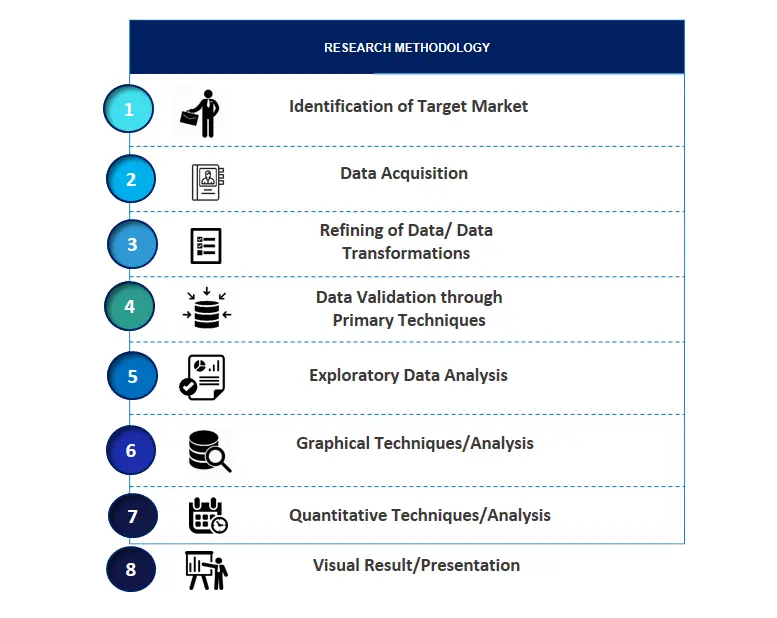
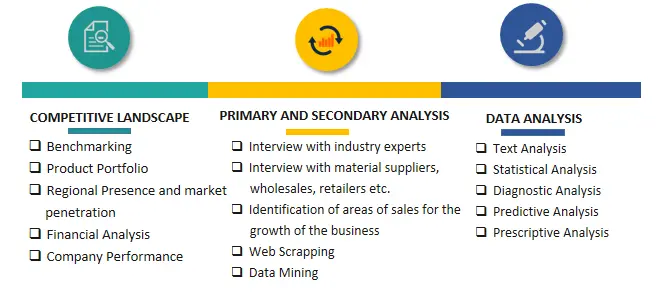
SPER Market Research’s methodology uses great emphasis on primary research to ensure that the market intelligence insights are up to date, reliable and accurate. Primary interviews are done with players involved in each phase of a supply chain to analyze the market forecasting. The secondary research method is used to help you fully understand how the future markets and the spending patterns look likes.
The report is based on in-depth qualitative and quantitative analysis of the Product Market. The quantitative analysis involves the application of various projection and sampling techniques. The qualitative analysis involves primary interviews, surveys, and vendor briefings. The data gathered as a result of these processes are validated through experts opinion. Our research methodology entails an ideal mixture of primary and secondary initiatives.