According to SPER Market Research, the Saffron Extract Market is estimated to reach USD 1227.36 million by 2034 with a CAGR of 9.16%.
Introduction and Overview
The report includes an in-depth analysis of the Saffron Extract Market, including market size and trends, product mix, Applications, and supplier analysis.
The Saffron Extract market was valued at USD 510.9 million in 2024, and it is expected to rise at a 9.16% CAGR from 2025 to 2034. The rising consumer demand for natural, clean-label, and plant-based ingredients across food, nutraceutical, and cosmetic applications. Growing health consciousness is pushing consumers toward botanical ingredients with antioxidant, anti-inflammatory, and mood-enhancing properties, making saffron extract increasingly popular in dietary supplements, functional foods, and wellness beverages. The cosmetics and personal-care sectors are also boosting demand, as saffron extract is used in premium skincare and anti-aging formulations.
By Nature, Insights
The conventional saffron extract segment is the dominant category in the market because it is more accessible, affordable, and deeply rooted in long-standing cultural practices. Consumers in regions with a strong tradition of saffron use, especially across parts of Asia and the Middle East, prefer conventional extract for its familiar taste, aroma, and therapeutic associations. Its widespread availability makes it the most commonly used form in cooking, traditional medicine, and perfumery. Even in cost-sensitive markets, conventional saffron extract remains the preferred choice due to its lower price point and ease of access. Although challenges such as adulteration and quality inconsistencies exist, its cultural familiarity, broad consumer acceptance, and affordability allow it to maintain leadership over other saffron extract categories.
By Form Insights
In 2024, the powder saffron extract segment is the dominant form because it offers a long shelf life, easy handling, and simple incorporation into a wide range of products. Its stability and versatility make it especially attractive for cosmetics, nutraceuticals, and food and beverage manufacturers who prefer ingredients that are easy to store, transport, and dose without strict standardization requirements. The powder format is also convenient for blending into formulations and provides consistent performance across different applications. While liquid extract is gaining interest for its high bioavailability, it is used in smaller volumes, allowing the powder segment to remain the leading and most widely adopted format in the market.
By Grade Insights
The Grade I (Premium Quality) segment is the dominant category because it delivers the highest purity, strongest aroma, and deepest colour, making it the most potent and reliable form of saffron extract. Its superior concentration of key bioactive compounds makes it the preferred choice for high-end supplements, premium cosmetics, gourmet food products, and pharmaceutical formulations that require maximum efficacy and consistency.
By Application Insights
The food & beverage segment is the dominant category in the saffron extract market because saffron has long-standing cultural and culinary significance in South Asian, Middle Eastern, and Mediterranean cuisines, where it is prized for its distinctive flavour, rich colour, and aromatic qualities. Its established use in traditional dishes naturally drives high consumption. In addition, the growing popularity of functional foods, wellness beverages, teas, and infused drinks has expanded saffron’s role beyond traditional cooking into modern health-focused formulations. This rising demand for ingredients that offer both sensory appeal and perceived wellness benefits has strengthened the segment’s leadership, ensuring it remains the largest end-use sector in the saffron extract market.
Regional Insights
The U.S. is a dominant region in the saffron extract market because consumer preferences strongly align with clean-label, natural, and wellness-focused ingredients. A major shift toward preventive healthcare, emotional balance, and mental wellness has increased interest in saffron-based supplements, teas, and gummies promoted for stress relief, mood enhancement, and cognitive support. Rising cases of anxiety, insomnia, and depression have further encouraged consumers to adopt herbal therapies. Millennials and Gen Z are key drivers, embracing holistic and plant-based remedies. Additionally, growing demand for organic and traceable saffron extract supports the market, as health-conscious buyers prefer products with verified sourcing, sustainability, and USDA Organic certification.
Market Competitive Landscape
The saffron extract market’s competitive landscape includes global ingredient manufacturers, botanical extract suppliers, nutraceutical companies, and regional saffron producers. Competition centres on product purity, potency, and the ability to offer clean-label, traceable, and sustainably sourced extracts. Leading players focus on premium-grade saffron, advanced extraction methods, and standardized formulations to ensure consistent quality. Many companies are strengthening supply chains through direct farming partnerships and certifications to enhance transparency. Innovation in formats such as powders, liquid extracts, and high-bioavailability ingredients is expanding product portfolios. Collaborations with food, beverage, cosmetics, and supplement brands help companies widen market reach and maintain a strong competitive edge.
Recent Developments:
• In May 2023, Mane Kancor expanded its capabilities by launching a new saffron extract plant in Byadgi, Karnataka. The facility uses advanced and continuous extraction technology, enabling the company to greatly increase its production capacity.
• In March 2023, Activ'Inside received a U.S. patent for its saffron ingredient Safr'Inside, adding to existing patents in Europe, Malaysia, and South Africa. The ingredient is used in supplements designed for digestion, PMS, menopause support, stress reduction, and sleep improvement.
• In June 2022, Spanish biotechnology company Natac acquired INOREAL to enhance industry access to high-quality bioactive ingredients across nutraceutical, pharmaceutical, food, animal nutrition, and cosmetic sectors.
• In May 2021, Pharmactive secured a U.S. patent for its saffron extract Affron, recognizing both its proprietary extraction method and clinical efficacy in supporting mood-related health.
Scope of the report:
Report Metric Details
Market size available for the years 2021-2034
Base year considered 2024
Forecast Period 2025-2034
Segments Covered By Nature, By Form, By Grade, By Application
Regions Covered North America, Latin America, Asia-Pacific, Europe, and Middle East & Africa
Companies Covered Arizone International LLP, Astrra Chemicals, Givaudan SA, Jeeva Organic Private Limited, Lallemand Inc., LUMA Nutrition, Mane Kancor, NOW Health Group, Inc., Persavita, Inc, Sabinsa Corporation.
Key Topics Covered in the Report
• Saffron Extract Market Size (FY’2021-FY’2034)
• Overview of Saffron Extract Market
• Segmentation of Saffron Extract Market by Nature (Conventional saffron extract, Organic saffron extract)
• Segmentation of Saffron Extract Market by Form (Powder, Liquid, Thread)
• Segmentation of Saffron Extract Market by Grade (Grade I (Premium Quality), Grade II (Standard Quality), Grade III and IV (Lower Grade)
• Segmentation of Saffron Extract Market by Application (Food & beverage, Pharmaceutical and healthcare, Cosmetics and personal care, Others)
• Statistical Snap of Saffron Extract Market
• Expansion Analysis of Saffron Extract Market
• Problems and Obstacles in Saffron Extract Market
• Competitive Landscape in the Saffron Extract Market
• Details on Current Investment in Saffron Extract Market
• Competitive Analysis of Saffron Extract Market
• Prominent Players in the Saffron Extract Market
• SWOT Analysis of Saffron Extract Market
• Saffron Extract Market Future Outlook and Projections (FY’2025-FY’2034)
• Recommendations from Analyst
Global Saffron Extract Market Size- By Nature, By Form, By Grade, By Application - Regional Outlook, Competitive Strategies and Segment Forecast to 2034
1. Introduction
1.1. Scope of the report
1.2. Market segment analysis
2. Research Methodology
2.1. Research data source
2.1.1. Secondary Data
2.1.2. Primary Data
2.1.3. SPER’s internal database
2.1.4. Premium insight from KOL’s
2.2. Market size estimation
2.2.1. Top-down and Bottom-up approach
2.3. Data triangulation
3. Executive Summary
4. Market Dynamics
4.1. Driver, Restraint, Opportunity and Challenges analysis
4.1.1. Drivers
4.1.2. Restraints
4.1.3. Opportunities
4.1.4. Challenges
5. Market variable and outlook
5.1. SWOT Analysis
5.1.1. Strengths
5.1.2. Weaknesses
5.1.3. Opportunities
5.1.4. Threats
5.2. PESTEL Analysis
5.2.1. Political Landscape
5.2.2. Economic Landscape
5.2.3. Social Landscape
5.2.4. Technological Landscape
5.2.5. Environmental Landscape
5.2.6. Legal Landscape
5.3. PORTER’s Five Forces
5.3.1. Bargaining power of suppliers
5.3.2. Bargaining power of buyers
5.3.3. Threat of Substitute
5.3.4. Threat of new entrant
5.3.5. Competitive rivalry
5.4. Heat Map Analysis
6. Competitive Landscape
6.1. Global Saffron Extract Market Manufacturing Base Distribution, Sales Area, Product Type
6.2. Mergers & Acquisitions, Partnerships, Product Launch, and Collaboration in Global Saffron Extract Market
7. Global Saffron Extract Market, By Nature (USD Million) 2021-2034
7.1. Conventional saffron extract
7.2. Organic saffron extract
8. Global Saffron Extract Market, By Form (USD Million) 2021-2034
8.1. Powder
8.2. Liquid
8.3. Thread
9. Global Saffron Extract Market, By Grade (USD Million) 2021-2034
9.1. Grade I (Premium Quality)
9.2. Grade II (Standard Quality)
9.3. Grade III and IV (Lower Grade)
10. Global Saffron Extract Market, By Application (USD Million) 2021-2034
10.1. Food & beverage
10.1.1. Functional foods
10.1.2. Beverages and drinks
10.2. Pharmaceutical and healthcare
10.2.1. Traditional medicine
10.2.2. Modern pharmaceuticals
10.2.3. Nutraceuticals and dietary supplements
10.3. Cosmetics and personal care
10.3.1. Skincare products
10.3.2. Haircare products
10.3.3. Fragrance and perfumery
10.4. Others
11. Global Saffron Extract Market, (USD Million) 2021-2034
11.1. Global Saffron Extract Market Size and Market Share
12. Global Saffron Extract Market, By Region, (USD Million) 2021-2034
12.1. Asia-Pacific
12.1.1. Australia
12.1.2. China
12.1.3. India
12.1.4. Japan
12.1.5. South Korea
12.1.6. Rest of Asia-Pacific
12.2. Europe
12.2.1. France
12.2.2. Germany
12.2.3. Italy
12.2.4. Spain
12.2.5. United Kingdom
12.2.6. Rest of Europe
12.3. Middle East and Africa
12.3.1. Kingdom of Saudi Arabia
12.3.2. United Arab Emirates
12.3.3. Qatar
12.3.4. South Africa
12.3.5. Egypt
12.3.6. Morocco
12.3.7. Nigeria
12.3.8. Rest of Middle-East and Africa
12.4. North America
12.4.1. Canada
12.4.2. Mexico
12.4.3. United States
12.5. Latin America
12.5.1. Argentina
12.5.2. Brazil
12.5.3. Rest of Latin America
13. Company Profile
13.1. Arizone International LLP
13.1.1. Company details
13.1.2. Financial outlook
13.1.3. Product summary
13.1.4. Recent developments
13.2. Astrra Chemicals
13.2.1. Company details
13.2.2. Financial outlook
13.2.3. Product summary
13.2.4. Recent developments
13.3. Givaudan SA
13.3.1. Company details
13.3.2. Financial outlook
13.3.3. Product summary
13.3.4. Recent developments
13.4. Jeeva Organic Private Limited
13.4.1. Company details
13.4.2. Financial outlook
13.4.3. Product summary
13.4.4. Recent developments
13.5. Lallemand Inc
13.5.1. Company details
13.5.2. Financial outlook
13.5.3. Product summary
13.5.4. Recent developments
13.6. LUMA Nutrition
13.6.1. Company details
13.6.2. Financial outlook
13.6.3. Product summary
13.6.4. Recent developments
13.7. Mane Kancor
13.7.1. Company details
13.7.2. Financial outlook
13.7.3. Product summary
13.7.4. Recent developments
13.8. NOW Health Group, Inc.
13.8.1. Company details
13.8.2. Financial outlook
13.8.3. Product summary
13.8.4. Recent developments
13.9. Persavita, Inc
13.9.1. Company details
13.9.2. Financial outlook
13.9.3. Product summary
13.9.4. Recent developments
13.10. Sabinas Corporation
13.10.1. Company details
13.10.2. Financial outlook
13.10.3. Product summary
13.10.4. Recent developments
13.11. Others
14. Conclusion
15. List of Abbreviations
16. Reference Links
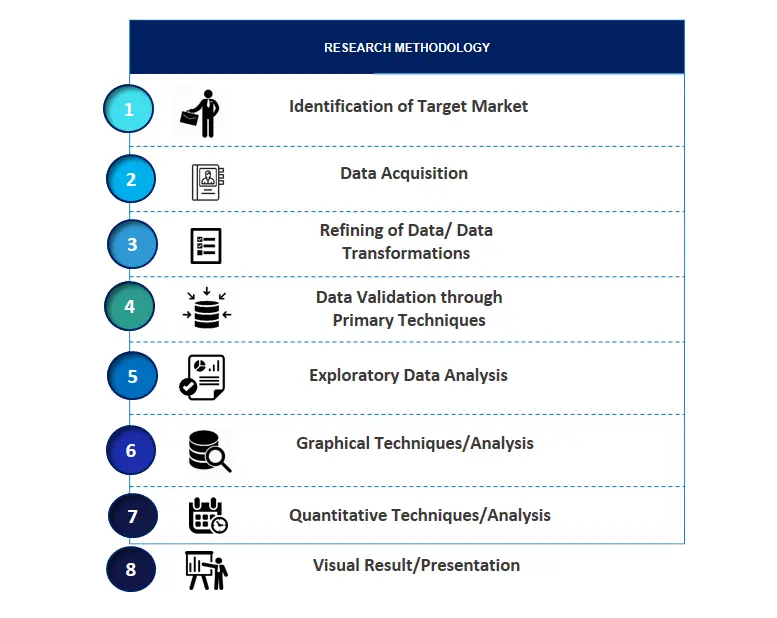
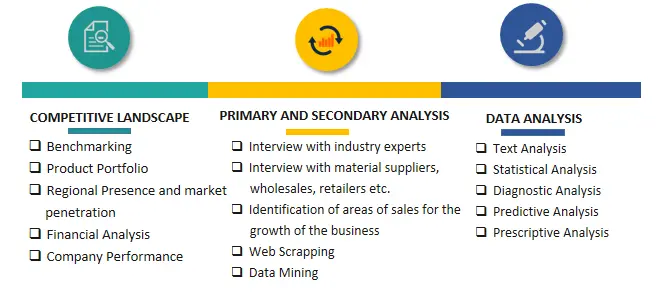
SPER Market Research’s methodology uses great emphasis on primary research to ensure that the market intelligence insights are up to date, reliable and accurate. Primary interviews are done with players involved in each phase of a supply chain to analyze the market forecasting. The secondary research method is used to help you fully understand how the future markets and the spending patterns look likes.
The report is based on in-depth qualitative and quantitative analysis of the Product Market. The quantitative analysis involves the application of various projection and sampling techniques. The qualitative analysis involves primary interviews, surveys, and vendor briefings. The data gathered as a result of these processes are validated through experts opinion. Our research methodology entails an ideal mixture of primary and secondary initiatives.