Global Setting Spray Market Growth, Size, Trends Analysis- By Type, By End Use, By Distribution Channel - Regional Outlook, Competitive Strategies and Segment Forecast to 2034
According to SPER Market Research, the Global Setting Spray Market is estimated to reach USD 2225.91 million by 2034 with a CAGR 7.88%.
Introduction and Overview
The report includes an in-depth analysis of the Global Setting Spray Market, including market size and trends, product mix, Applications, and supplier analysis.
The global Setting Spray Market was valued at USD 1042.55 billion in 2024 and is expected to grow at a CAGR of over 7.88% from 2025 to 2034. The growing preference for makeup that stays fresh, transfer-proof, and long-lasting across different occasions, weather conditions, and environments is driving demand for setting sprays. Consumers now seek products that maintain a flawless appearance throughout the day and night. Ongoing expansion and innovation within the beauty and cosmetics industry have created new opportunities for advanced setting spray formulations. There is also rising interest in products that provide added skincare benefits such as hydration, soothing effects, and sun protection. Additionally, the influence of social media platforms strongly supports market growth by promoting brands, sharing tutorials, and guiding consumer purchasing decisions.
By Type:
Matte setting spray leads the market due to its strong ability to control oil and reduce unwanted shine, making it especially popular among individuals with oily skin. It helps lock makeup in place, improves wear time, and prevents smudging, ensuring a clean, matte look throughout the day. The presence of innovative brands introducing refreshing and fragrance-based formulas further strengthens competition and demand. Meanwhile, radiant or dewy setting sprays are witnessing rapid growth as they offer intense hydration, prevent dryness, and deliver a glowing finish ideal for humid weather, special occasions, and high-definition photography.
By End Use:
The professional end-use segment leads the market as setting sprays are essential in industries such as film, television, and photography, where high-definition cameras and strong lighting demand long-lasting, flawless makeup. These products help makeup remain intact under strict visual scrutiny while reducing the need for frequent touch-ups, making them a preferred choice among professionals. Meanwhile, the personal use segment is expected to grow steadily, driven by the rising influence of beauty influencers and online tutorials. These platforms educate users on application techniques, product benefits, and real-time results, increasing everyday consumer adoption.
Regional Insights:
Europe emerged as the leading regional market due to strong investment inflows, continuous brand development, and rising expenditure on research and innovation within the cosmetics and personal care industry. Daily cosmetic usage is widespread among consumers who prioritize well-being and confidence, while the presence of well-established global brands further strengthens regional demand for products such as setting sprays. Meanwhile, the Asia Pacific region is projected to witness rapid growth over the coming years. Rising disposable incomes, expanding industrial activity, increasing beauty awareness, and the growing influence of premium cosmetic brands promoted by celebrities are accelerating market expansion across emerging countries, creating strong future opportunities.
Market Competitive Landscape:
The Setting Spray Market is highly consolidated. Some of the market key players are Anastasia Beverly Hills, Charlotte Tillbury Cosmetics, e.l.f Cosmetics, Inc., Faces Canada, Lakme Cosmetics (Unilever), L'Oréal, Rare Beauty, Sugar Cosmetics, Swiss Beauty, Urban Decay.
Recent Developments:
• In July 2022, L’Oréal partnered with Nasscom to use advanced technologies for improving consumer insights, personalization, and product development.
• In January 2021, E.L.F. Cosmetics formed a partnership with Nykaa, a leading Indian beauty and lifestyle platform, to launch its products and expand its presence in the Indian market.
Scope of the report:
Report Metric Details
Market size available for the years 2021-2034
Base year considered 2024
Forecast Period 2025-2034
Segments Covered By Type, By End Use, By Distribution Channel
Regions Covered North America, Latin America, Asia-Pacific, Europe, and Middle East & Africa
Companies Covered Anastasia Beverly Hills, Charlotte Tillbury Cosmetics, e.l.f Cosmetics, Inc., Faces Canada, Lakme Cosmetics (Unilever), L'Oréal, Rare Beauty, Sugar Cosmetics, Swiss Beauty, Urban Decay.
Key Topics Covered in the Report
• Global Setting Spray Market Size (FY’2021-FY’2034)
• Overview of Global Setting Spray Market
• Segmentation of Global Setting Spray Market By Type (Oil-control Setting Spray, Waterproof Setting Spray, Hydrating Setting Spray, Radiant/Dewy Setting Spray, Matte Setting Spray, Others)
• Segmentation of Global Setting Spray Market By End-use (Professional, Personal)
• Segmentation of Global Setting Spray Market By Distribution Channel (Supermarket and Hypermarkets, Specialty Retail Stores, Pharmacy & Drugstore, Online, Offline)
• Statistical Snap of Global Setting Spray Market
• Expansion Analysis of Global Setting Spray Market
• Problems and Obstacles in Global Setting Spray Market
• Competitive Landscape in the Global Setting Spray Market
• Details on Current Investment in Global Setting Spray Market
• Competitive Analysis of Global Setting Spray Market
• Prominent Players in the Global Setting Spray Market
• SWOT Analysis of Global Setting Spray Market
• Global Setting Spray Market Future Outlook and Projections (FY’2025-FY’2034)
• Recommendations from Analyst
Global Setting Spray Market Size- By Type, By End Use, By Distribution Channel- Regional Outlook, Competitive Strategies and Segment Forecast to 2034
1. Introduction
1.1. Scope of the report
1.2. Market segment analysis
2. Research Methodology
2.1. Research data source
2.1.1. Secondary Data
2.1.2. Primary Data
2.1.3. SPER’s internal database
2.1.4. Premium insight from KOL’s
2.2. Market size estimation
2.2.1. Top-down and Bottom-up approach
2.3. Data triangulation
3. Executive Summary
4. Market Dynamics
4.1. Driver, Restraint, Opportunity and Challenges analysis
4.1.1. Drivers
4.1.2. Restraints
4.1.3. Opportunities
4.1.4. Challenges
5. Market variable and outlook
5.1. SWOT Analysis
5.1.1. Strengths
5.1.2. Weaknesses
5.1.3. Opportunities
5.1.4. Threats
5.2. PESTEL Analysis
5.2.1. Political Landscape
5.2.2. Economic Landscape
5.2.3. Social Landscape
5.2.4. Technological Landscape
5.2.5. Environmental Landscape
5.2.6. Legal Landscape
5.3. PORTER’s Five Forces
5.3.1. Bargaining power of suppliers
5.3.2. Bargaining power of buyers
5.3.3. Threat of Substitute
5.3.4. Threat of new entrant
5.3.5. Competitive rivalry
5.4. Heat Map Analysis
6. Competitive Landscape
6.1. Global Setting Spray Market Manufacturing Base Distribution, Sales Area, Product Type
6.2. Mergers & Acquisitions, Partnerships, Product Launch, and Collaboration in Global Setting Spray Market
7. Global Setting Spray Market, By Type, (USD Million) 2021-2034
7.1. Oil-control Setting Spray
7.2. Waterproof Setting Spray
7.3. Hydrating Setting Spray
7.4. Radiant/Dewy Setting Spray
7.5. Matte Setting Spray
7.6. Others
8. Global Setting Spray Market, By End-use, (USD Million) 2021-2034
8.1. Professional
8.2. Personal
9. Global Setting Spray Market, By Distribution Channel, (USD Million) 2021-2034
9.1. Supermarket and Hypermarkets
9.2. Specialty Retail Stores
9.3. Pharmacy & Drugstore
9.4. Online
9.5. Offline
10. Global Setting Spray Market, (USD Million) 2021-2034
10.1. Global Setting Spray Market Size and Market Share
11. Global Setting Spray Market, By Region, 2021-2034 (USD Million)
11.1. Asia-Pacific
11.1.1. Australia
11.1.2. China
11.1.3. India
11.1.4. Japan
11.1.5. South Korea
11.1.6. Rest of Asia-Pacific
11.2. Europe
11.2.1. France
11.2.2. Germany
11.2.3. Italy
11.2.4. Spain
11.2.5. United Kingdom
11.2.6. Rest of Europe
11.3. Middle East and Africa
11.3.1. Kingdom of Saudi Arabia
11.3.2. United Arab Emirates
11.3.3. Qatar
11.3.4. South Africa
11.3.5. Egypt
11.3.6. Morocco
11.3.7. Nigeria
11.3.8. Rest of Middle-East and Africa
11.4. North America
11.4.1. Canada
11.4.2. Mexico
11.4.3. United States
11.5. Latin America
11.5.1. Argentina
11.5.2. Brazil
11.5.3. Rest of Latin America
12. Company Profile
12.1. Anastasia Beverly Hills
12.1.1. Company details
12.1.2. Financial outlook
12.1.3. Product summary
12.1.4. Recent developments
12.2. Charlotte Tillbury Cosmetics
12.2.1. Company details
12.2.2. Financial outlook
12.2.3. Product summary
12.2.4. Recent developments
12.3. e.l.f Cosmetics, Inc.
12.3.1. Company details
12.3.2. Financial outlook
12.3.3. Product summary
12.3.4. Recent developments
12.4. Faces Canada
12.4.1. Company details
12.4.2. Financial outlook
12.4.3. Product summary
12.4.4. Recent developments
12.5. Lakme Cosmetics (Unilever)
12.5.1. Company details
12.5.2. Financial outlook
12.5.3. Product summary
12.5.4. Recent developments
12.6. L'Oréal
12.6.1. Company details
12.6.2. Financial outlook
12.6.3. Product summary
12.6.4. Recent developments
12.7. Rare Beauty
12.7.1. Company details
12.7.2. Financial outlook
12.7.3. Product summary
12.7.4. Recent developments
12.8. Sugar Cosmetics
12.8.1. Company details
12.8.2. Financial outlook
12.8.3. Product summary
12.8.4. Recent developments
12.9. Swiss Beauty
12.9.1. Company details
12.9.2. Financial outlook
12.9.3. Product summary
12.9.4. Recent developments
12.10. Urban Decay
12.10.1. Company details
12.10.2. Financial outlook
12.10.3. Product summary
12.10.4. Recent developments
12.11. Others
13. Conclusion
14. List of Abbreviations
15. Reference Links
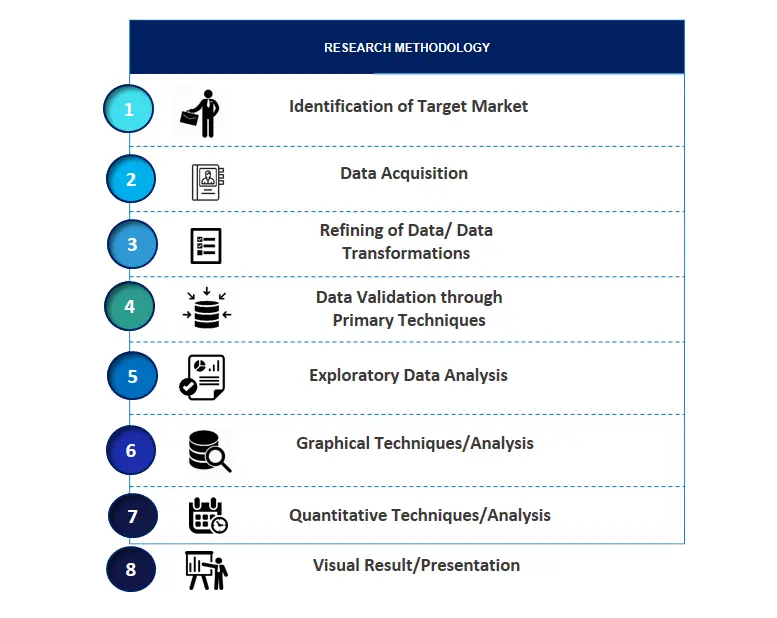
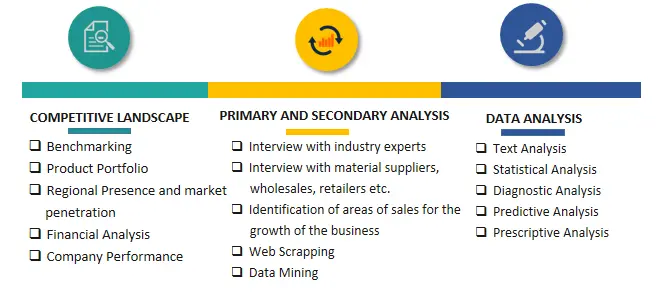
SPER Market Research’s methodology uses great emphasis on primary research to ensure that the market intelligence insights are up to date, reliable and accurate. Primary interviews are done with players involved in each phase of a supply chain to analyze the market forecasting. The secondary research method is used to help you fully understand how the future markets and the spending patterns look likes.
The report is based on in-depth qualitative and quantitative analysis of the Product Market. The quantitative analysis involves the application of various projection and sampling techniques. The qualitative analysis involves primary interviews, surveys, and vendor briefings. The data gathered as a result of these processes are validated through experts opinion. Our research methodology entails an ideal mixture of primary and secondary initiatives.