Global Flexible Protective Packaging Market Analysis 2034

Global Flexible Protective Packaging Market Growth, Size, Trends Analysis- By Material Type, By Product Type, By Function, By End Use – Regional Outlook, Competitive Strategies and Segment Forecast to 2034

Published: Feb-2026 Report ID: PACK2643 Pages: 1 - 142 Formats*:     
Category : Packaging
According to SPER Market Research, the Global Flexible Protective Packaging Market is estimated to reach USD 24.37 billion by 2034 with a CAGR 5.85%.

Introduction and Overview
The global Flexible Protective Packaging Market was valued at USD 13.8 billion in 2024 and is expected to grow at a CAGR of around 5.85% from 2025 to 2034. The market is experiencing steady growth driven by rising demand for product protection during storage and transportation, increasing e-commerce activities, and growing use of lightweight and cost-effective packaging solutions. Expanding applications across electronics, food & beverages, pharmaceuticals, and industrial goods are further supporting market expansion. Additionally, the shift toward recyclable and sustainable flexible packaging materials, along with continuous innovation in cushioning and protective packaging designs, is positively influencing overall market growth.

By Material Type: 
Plastic materials are widely utilized across industries due to their durability, cost-effectiveness, and adaptability to multiple packaging formats. They provide effective protection for various goods while remaining lightweight and easy to process. Paper and paperboard are gaining attention as eco-friendly alternatives, driven by sustainability initiatives and recycling mandates. Foam materials are mainly used for cushioning fragile and sensitive items during transit. Aluminum foil offers excellent barrier properties, particularly for food and pharmaceuticals. Biodegradable and advanced sustainable materials are also emerging, promoted by stricter environmental regulations and rising consumer awareness, but plastics continue to account for the majority of usage.

By Product Type:
 Air cushions and bubble wraps are heavily applied in e-commerce and retail to prevent product damage and ensure safe delivery. Foam wraps are preferred for industrial and electronic components, providing tailored cushioning for delicate items. Mailers and pouches support lightweight packaging solutions, reducing shipping costs and improving convenience. Shrink and stretch films are widely employed for pallet stabilization, bundling, and protecting products during transit. Bubble wraps and air cushions remain most used due to their versatility, ease of handling, and compatibility with automated packaging systems, making them essential across manufacturing, logistics, and retail sectors globally.

By Function: 
Cushioning solutions are highly used to absorb shocks and minimize product damage, particularly in e-commerce, electronics, and fragile goods shipments. Wrapping materials and void fill solutions help stabilize products, fill empty spaces, and reduce movement inside packages. Blocking and bracing support the secure shipment of heavy or irregular items, while insulation and surface protection address needs of perishable goods and sensitive equipment. Among these functions, cushioning and wrapping are most applied due to their flexibility and ability to safeguard a wide range of products. These solutions enhance supply chain efficiency, reduce losses, and improve customer satisfaction across industries.

By End Use:
 E-commerce and retail generate the highest demand for flexible protective packaging, driven by rising online shopping, rapid delivery expectations, and increasing shipments of delicate goods. Food and beverage companies rely on protective packaging to maintain product quality and extend shelf life. Pharmaceuticals and healthcare sectors require packaging for safe transport and contamination prevention. Consumer electronics, automotive, and industrial sectors also extensively use protective solutions for parts and equipment during storage and shipping. The need for cost-effective, lightweight, and reliable packaging solutions across these industries, combined with rising consumer awareness and regulatory pressures, contributes to the overall growth of the flexible protective packaging market.

Regional Insights:
North America benefiting from mature e‑commerce networks, advanced logistics, and high adoption of recyclable mailers, protective films, and cushioning materials driven by retail, food, and healthcare sectors. Europe emphasizes sustainability and recyclability, with manufacturers adopting mono-material films and air cushions to meet circular economy goals. Asia Pacific leads growth due to rapid e‑commerce expansion and large consumer markets in China, India, Japan, and South Korea, alongside government support for recyclable materials. Latin America is growing steadily with retail modernization and industrial demand, while the Middle East & Africa focuses on urbanization, e‑commerce, and cost-effective sustainable packaging solutions.

Market Competitive Landscape:
The Flexible Protective Packaging Market is highly consolidated. Some of the market key players are Sealed Air Corporation, Pregis LLC, Smurfit Kappa Group, Amcor plc, Mondi Group, Huhtamaki Oyj, Sonoco Products Company, ProAmpac LLC, Storopack Hans Reichenecker GmbH, DS Smith Plc, Winpak Ltd., Mondi Flexible Packaging, Rengo Co., Ltd., AptarGroup, Inc., Toray Plastics (America), Inc., Schur Flexibles Group.

Recent Developments:

  • In April 2024, Huhtamaki has launched a advance in mono- material flexible packaging with its innovative blueloop ™ technology. The new results, available in Paper, PE, and PP Retort, offer high recyclability while maintaining product protection and cost- effectiveness. Dr. Marco Hilty, President of Flexible Packaging at Huhtamaki, emphasized that this development sets new assiduity norms by combining sustainability, performance, and affordability a transformative step toward reconsidering the future of flexible packaging.
  • In August 2023, TC Transcontinental Packaging blazoned a 60 million USD investment to advance mono- material recyclable flexible plastic packaging, fastening on high- performance biaxially acquainted polyethylene (BOPE) flicks with enhanced heat resistance. This strategic move includes new film product lines, supporting outfit, and a 120,000 sq. ft installation expansion at its Spartanburg, South Carolina point marking the first BOPE film line in North America and buttressing the company’s commitment to sustainable packaging invention.

Scope of the report:
Report MetricDetails
Market size available for years2021-2034
Base year considered2024
Forecast period2025-2034
Segments coveredBy Material Type, By Product Type, By Function, By End Use
Regions coveredNorth America, Latin America, Asia-Pacific, Europe, and Middle East & Africa
Companies CoveredSealed Air Corporation, Pregis LLC, Smurfit Kappa Group, Amcor plc, Mondi Group, Huhtamaki Oyj, Sonoco Products Company, ProAmpac LLC, Storopack Hans Reichenecker GmbH, DS Smith Plc, Winpak Ltd., Mondi Flexible Packaging, Rengo Co., Ltd., AptarGroup, Inc., Toray Plastics (America), Inc., Schur Flexibles Group.

Key Topics Covered in the Report
  • Global Flexible Protective Packaging Market Size (FY’2021–FY’2034)
  • Overview of Global Flexible Protective Packaging Market
  • Segmentation of Global Flexible Protective Packaging Market by Material Type (Plastic, Paper & Paperboard, Foam, Aluminum Foil, Biodegradable & Other Materials)
  • Segmentation of Global Flexible Protective Packaging Market by Product Type (Air Cushions, Bubble Wraps, Foam Wraps, Mailers, Shrink Wraps, Stretch Films, Pouches, Others)
  • Segmentation of Global Flexible Protective Packaging Market by Function (Cushioning, Wrapping, Void Fill, Blocking & Bracing, Insulation, Surface Protection)
  • Segmentation of Global Flexible Protective Packaging Market by End Use (E-commerce & Retail, Food & Beverages, Pharmaceuticals & Healthcare, Consumer Electronics, Automotive, Industrial, Others)
  • Statistical Snapshot of Global Flexible Protective Packaging Market
  • Expansion Analysis of Global Flexible Protective Packaging Market
  • Challenges and Constraints in Global Flexible Protective Packaging Market
  • Competitive Landscape of the Global Flexible Protective Packaging Market
  • Current Investment Trends in Global Flexible Protective Packaging Market
  • Competitive Analysis of Key Players in the Global Flexible Protective Packaging Market
  • Prominent Companies in the Global Flexible Protective Packaging Market
  • SWOT Analysis of Global Flexible Protective Packaging Market
  • Global Flexible Protective Packaging Market Future Outlook and Projections (FY’2025–FY’2034)
  • Recommendations from Analysts

1. Introduction
1.1. Scope of the report
1.2. Market segment analysis 

2. Research Methodology
2.1. Research data source
2.1.1. Secondary Data
2.1.2. Primary Data
2.1.3. SPER’s internal database
2.1.4. Premium insight from KOL’s
2.2. Market size estimation
    2.2.1. Top-down and Bottom-up approach
2.3. Data triangulation

3. Executive Summary

4. Market Dynamics
4.1. Driver, Restraint, Opportunity and Challenges analysis
4.1.1. Drivers
4.1.2. Restraints
4.1.3. Opportunities
4.1.4. Challenges

5. Market variable and outlook
5.1. SWOT Analysis
5.1.1. Strengths
5.1.2. Weaknesses
5.1.3. Opportunities
5.1.4. Threats
5.2. PESTEL Analysis
5.2.1. Political Landscape
5.2.2. Economic Landscape
5.2.3. Social Landscape
5.2.4. Technological Landscape
5.2.5. Environmental Landscape
5.2.6. Legal Landscape
5.3. PORTER’s Five Forces 
5.3.1. Bargaining power of suppliers
5.3.2. Bargaining power of buyers
5.3.3. Threat of Substitute
5.3.4. Threat of new entrant
5.3.5. Competitive rivalry
5.4. Heat Map Analysis

6. Competitive Landscape
6.1. Global Flexible Protective Packaging Market Manufacturing Base Distribution, Sales Area, Product Type 
6.2. Mergers & Acquisitions, Partnerships, Product Launch, and Collaboration in Global Flexible Protective Packaging Market

7. Global Flexible Protective Packaging Market, By Material Type, (USD Million) 2021-2034 
7.1. Plastic
7.2. Paper & paperboard
7.3. Foam
7.4. Aluminum foil

8. Global Flexible Protective Packaging, By Product Type, (USD Million) 2021-2034 
8.1. Air cushions
8.2. Bubble wraps
8.3. Foam wraps
8.4. Mailers
8.5. Shrink wraps
8.6. Stretch films
8.7. Others

9. Global Flexible Protective Packaging, By Function, (USD Million) 2021-2034 
9.1. Void Fill
9.2. Blocking & bracing
9.3. Wrapping
9.4. Insulation
9.5. Cushioning
9.6. Surface Protection

10. Global Flexible Protective Packaging, By End Use, (USD Million) 2021-2034
10.1. E-commerce & Retail
10.2. Food & Beverages
10.3. Pharmaceuticals & Healthcare
10.4. Consumer
10.5. Automotive
10.6. Industrial
10.7. Others

11. Global Flexible Protective Packaging, (USD Million) 2021-2034 
    11.1. Global Flexible Protective Packaging Market Size and Market Share

12. Global Flexible Protective Packaging Market, By Region, 2021-2034 (USD Million)
12.1. Asia-Pacific
12.1.1. Australia
12.1.2. China
12.1.3. India
12.1.4. Japan
12.1.5. South Korea
12.1.6. Rest of Asia-Pacific
12.2. Europe
12.2.1. France
12.2.2. Germany
12.2.3. Italy
12.2.4. Spain
12.2.5. United Kingdom
12.2.6. Rest of Europe
12.3. Middle East and Africa
12.3.1. Kingdom of Saudi Arabia 
12.3.2. United Arab Emirates
12.3.3. Qatar
12.3.4. South Africa
12.3.5. Egypt
12.3.6. Morocco
12.3.7. Nigeria
12.3.8. Rest of Middle-East and Africa
12.4. North America
12.4.1. Canada
12.4.2. Mexico
12.4.3. United States
12.5. Latin America
12.5.1. Argentina
12.5.2. Brazil
12.5.3. Rest of Latin America 

13. Company Profile
13.1. Sealed Air Corporation
13.1.1. Company details
13.1.2. Financial outlook
13.1.3. Product summary 
13.1.4. Recent developments
13.2. Pregis LLC
13.2.1. Company details
13.2.2. Financial outlook
13.2.3. Product summary 
13.2.4. Recent developments
13.3. Smurfit Kappa Group
13.3.1. Company details
13.3.2. Financial outlook
13.3.3. Product summary 
13.3.4. Recent developments
13.4. Amcor plc
13.4.1. Company details
13.4.2. Financial outlook
13.4.3. Product summary 
13.4.4. Recent developments
13.5. Mondi Group
13.5.1. Company details
13.5.2. Financial outlook
13.5.3. Product summary 
13.5.4. Recent developments
13.6. Huhtamaki Oyj
13.6.1. Company details
13.6.2. Financial outlook
13.6.3. Product summary 
13.6.4. Recent developments
13.7. Sonoco Products Company
13.7.1. Company details
13.7.2. Financial outlook
13.7.3. Product summary 
13.7.4. Recent developments
13.8. ProAmpac LLC
13.8.1. Company details
13.8.2. Financial outlook
13.8.3. Product summary 
13.8.4. Recent developments
13.9. Storopack Hans Reichenecker GmbH
13.9.1. Company details
13.9.2. Financial outlook
13.9.3. Product summary 
13.9.4. Recent developments
13.10. DS Smith Plc
13.10.1. Company details
13.10.2. Financial outlook
13.10.3. Product summary 
13.10.4. Recent developments
13.11. Winpak Ltd.
13.11.1. Company details
13.11.2. Financial outlook
13.11.3. Product summary 
13.11.4. Recent developments
13.12. Mondi Flexible Packaging
13.12.1. Company details
13.12.2. Financial outlook
13.12.3. Product summary 
13.12.4. Recent developments
13.13. Rengo Co., Ltd.
13.13.1. Company details
13.13.2. Financial outlook
13.13.3. Product summary 
13.13.4. Recent developments
13.14. AptarGroup, Inc.
13.14.1. Company details
13.14.2. Financial outlook
13.14.3. Product summary 
13.14.4. Recent developments
13.15. Toray Plastics (America), Inc.
13.15.1. Company details
13.15.2. Financial outlook
13.15.3. Product summary 
13.15.4. Recent developments
13.16. Schur Flexibles Group
13.16.1. Company details
13.16.2. Financial outlook
13.16.3. Product summary 
13.16.4. Recent developments
13.17. Others 
 
14. Conclusion

15. List of Abbreviations

16. Reference Links

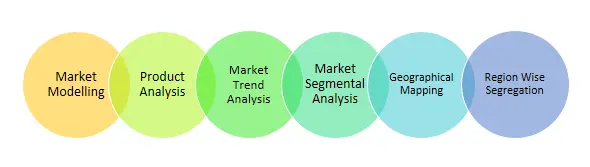
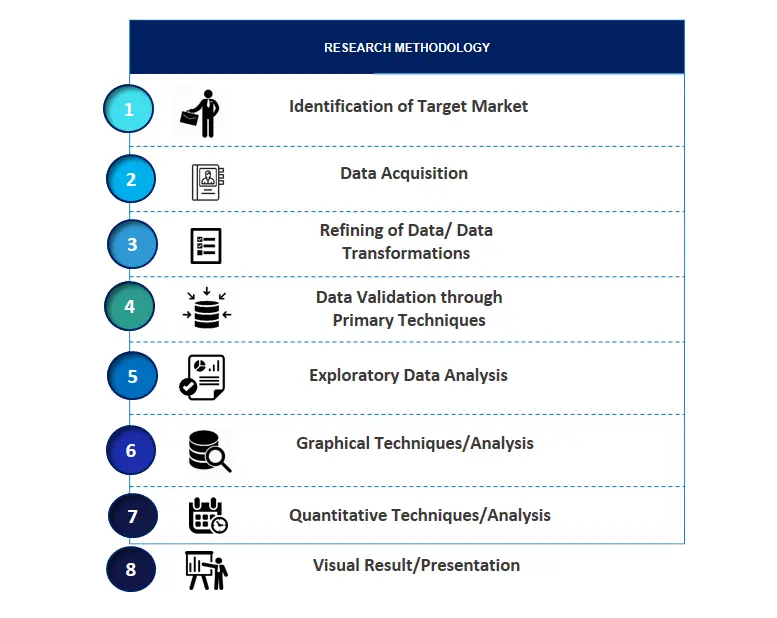
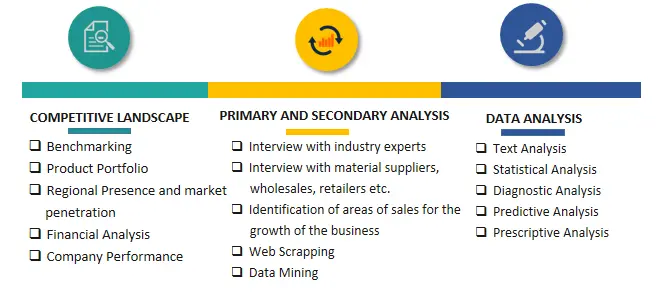
SPER Market Research’s methodology uses great emphasis on primary research to ensure that the market intelligence insights are up to date, reliable and accurate. Primary interviews are done with players involved in each phase of a supply chain to analyze the market forecasting. The secondary research method is used to help you fully understand how the future markets and the spending patterns look likes.

The report is based on in-depth qualitative and quantitative analysis of the Product Market. The quantitative analysis involves the application of various projection and sampling techniques. The qualitative analysis involves primary interviews, surveys, and vendor briefings.  The data gathered as a result of these processes are validated through experts opinion. Our research methodology entails an ideal mixture of primary and secondary initiatives.
SPER-Methodology-1

SPER-Methodology-2

SPER-Methodology-3


Frequently Asked Questions About This Report
PLACE AN ORDER
  • 15 % off
     
    $ 4250
  • 20 % off
             
    $ 5650
  • 25 % off
         
    $ 7450
Pre-Purchase Inquiry
SEND AN INQUIRY
NEED CUSTOMIZATION?
Request Customization
CALL OR EMAIL US
US:
India:
Email:
100% Secure Payment

SPER American Express
SPER VISA
SPER Master Card
SPER Mestro
SPER Paypal
SPER CCAvenues

Have a glance of the Report

  Download Free Sample

Looking for Customization?

 Customization Request

Have a Question?

 Reach Our Analysis Team

COVID-19 impact analysis?

 Request Analysis
Thought Leadership

Trusted by Industry Leaders

Our data-driven insights have influenced the strategy of 200+ reputed companies across the globe.

SPER-Astellas Pharma
SPER-Microsoft
SPER-EY
SPER-McKinsey
SPER-Bain
SPER-Max-Healthcare
SPER-DHL
SPER-IQVIA
SPER-Mitsubishi Logistics
SPER-PACCOR
SPER-Macmillan Education
SPER-Kankar IMRB
SPER-ITA
SPER-PWC
SPER-SAPTCA
SPER-Straumann
SPER-Danaher
SPER-AandM
SPER-MENARINI Silicon Biosystems
SPER-IPSOS
SPER-Heineken
HIPPA Compliant
GDPR Certified
ISO 27001
Peer Reviewed
Get Started Today

Your Competitive Advantage in
Pharmaceutical & Medical Technology
Markets

Join industry leaders leveraging AI-powered intelligence to make confident, data-driven decisions that accelerate breakthrough treatments and technologies to market.

No Credit Card Required
15-Minute Demo
Expert Guidance