According to SPER Market Research, the Global Sleeping Bag Market is estimated to reach USD 8.04 billion by 2035 with a CAGR 7.05%.
Introduction and Overview
The report includes an in-depth analysis of the Global Sleeping Bag Market, including market size and trends, product mix, applications, and distribution channel analysis.
The global Sleeping Bag Market was valued at USD 4.07 billion in 2025 and is expected to grow at a CAGR of around 7.05% from 2026 to 2035, reaching approximately USD 8.04 billion by 2035. The market is experiencing steady growth due to the rising popularity of outdoor recreational activities such as camping, hiking, and adventure tourism. Sleeping bags provide essential insulation, comfort, and portability for outdoor and travel applications across varying climatic conditions. Increasing consumer demand for lightweight, durable, and weather-resistant products, along with innovations in insulation materials and sustainable designs, is further driving market expansion. Growing e-commerce penetration and increased participation in outdoor lifestyle activities also support robust market growth.
By Type:
Among different sleeping bag types, the mummy sleeping bag segment dominates the market. Mummy sleeping bags are widely preferred due to their superior heat retention, lightweight construction, and compact design, making them ideal for cold-weather camping, backpacking, and high-altitude trekking. Their tapered shape minimizes heat loss and improves insulation efficiency, appealing to both professional adventurers and recreational users. These functional advantages enable mummy sleeping bags to maintain a leading position over rectangular, semi-rectangular, double, convertible, and quilt sleeping bags.
By Material:
The synthetic (polyester) segment leads the sleeping bag market by material, holding the largest share. Synthetic sleeping bags are cost-effective, durable, moisture-resistant, and easy to clean, making them suitable for a wide range of outdoor conditions. Their consistent performance in wet environments and affordability drive strong adoption among recreational campers and first-time buyers. Although down insulation offers premium warmth-to-weight performance, the broader availability and lower maintenance requirements of synthetic materials support their dominant market position globally.
By Size:
Based on size, single sleeping bags dominate the market, generating the highest revenue share. Single sleeping bags are highly versatile and cater to the needs of individual campers, hikers, and backpackers across various outdoor activities. Their ease of transportation, compact storage, and wide availability make them more popular than kids, double, queen/king, and oversized sleeping bags. Strong demand from solo travelers and adventure enthusiasts continues to support the leadership of the single size segment in the global sleeping bag market.
By End Use:
The residential segment dominates the sleeping bag market by end use. Beyond outdoor activities, sleeping bags are increasingly used in households for sleepovers, guest accommodations, and temporary bedding solutions. Rising interest in camping-inspired lifestyles, compact living spaces, and multipurpose home products has further boosted residential adoption. Compared to commercial applications such as camps, rental services, and hospitality, residential usage generates higher demand volumes, reinforcing its leading position in the overall sleeping bag market.
By Distribution Channel:
The offline distribution channel holds the largest share of the sleeping bag market in 2024. Consumers prefer purchasing sleeping bags from physical retail outlets such as specialty stores, supermarkets, and hypermarkets to assess product quality, comfort, insulation, and fit before buying. The availability of expert guidance and immediate product access strengthens offline sales. While online channels continue to grow rapidly, offline retail remains the dominant distribution channel due to higher consumer confidence in in-store purchases.
Regional Insights:
North America holds the largest share of the global sleeping bag market, driven by the strong outdoor recreation culture, high disposable incomes, and well-established retail and e-commerce channels in the United States and Canada. The United States is the primary revenue contributor within the region. Europe follows closely, with significant demand in the United Kingdom, Germany, France, Italy, Spain, and Russia due to widespread camping traditions and eco-conscious consumer preferences. Asia Pacific is the fastest-growing region, led by China, Japan, India, South Korea, and Australia, supported by rising outdoor tourism and disposable incomes. Latin America (Brazil, Mexico) and Middle East & Africa (Saudi Arabia, UAE, South Africa) show steady growth as outdoor activities gain popularity and adventure tourism expands in these markets.
Market Competitive Landscape:
The Sleeping Bag Market is highly consolidated. Some of the market key players are Big Agnes, Coleman, Feathered Friends, Kelty, L.L.Bean, Marmot, Mountain Hardwear, NEMO Equipment, Rab, REI Co-op, Sea to Summit, Sierra Designs, Therm-a-Rest, The North Face, Western Mountaineering.
Recent Developments:
• March 2025, EXPED's launch of the Deep Sleep Collection is a giant vault towards bringing together comfort, sustainability, and versatility in out-of-door outfit. The new series of sleeping bags is meant to meet colorful adventures, ranging from light camping excursions to further emphatic out-of-door conditioning.
• In March 2024, Sea to Summit introduced new resting bags and liners and three recently reimagined camp kitchen collections Frontier, Detour, and Passage. The three collections demonstrate the brand's commitment to invention and sustainability for its pursuit of perfecting the out-of-door experience for out-of-door consumers.
Scope of the report:
Report Metric Details
Market size available for the years 2022-2035
Base year considered 2025
Forecast Period 2026-2035
Segments Covered By Type, By Material, By Size, By End Use, By Distribution Channel
Regions Covered North America, Latin America, Asia-Pacific,
Europe, and Middle East &, Africa
Companies Covered Big Agnes, Coleman, Feathered Friends, Kelty, L.L.Bean, Marmot, Mountain Hardwear, NEMO Equipment, Rab, REI Co-op, Sea to Summit, Sierra Designs, Therm-a-Rest, The North Face, Western Mountaineering.
Key Topics Covered in the Report
• Global Sleeping Bag Market Size (FY’2022–FY’2035)
• Overview of the Global Sleeping Bag Market
• Segmentation of the Global Sleeping Bag Market by Type (Mummy sleeping bags, rectangular sleeping bags, Semi-rectangular sleeping bags, Double sleeping bags, Convertible sleeping bags, Quilt sleeping bags, other types)
• Segmentation of the Global Sleeping Bag Market by Material (Down, Synthetic (polyester), Wool, Cotton, Others (silk))
• Segmentation of the Global Sleeping Bag Market by Size (Kids, Single, Double, Queen/King, Others (oversized))
• Segmentation of the Global Sleeping Bag Market by End Use (Residential, Commercial, Others)
• Segmentation of the Global Sleeping Bag Market by Distribution Channel (Online, Offline)
• Statistical Snapshot of the Global Sleeping Bag Market
• Expansion Analysis of the Global Sleeping Bag Market
• Challenges and Constraints in the Global Sleeping Bag Market
• Competitive Landscape of the Global Sleeping Bag Market
• Details on Current Investments in the Global Sleeping Bag Market
• Competitive Analysis of the Global Sleeping Bag Market
• Prominent Players in the Global Sleeping Bag Market
• SWOT Analysis of the Global Sleeping Bag Market
• Global Sleeping Bag Market Future Outlook and Projections (FY’2026–FY’2035)
• Recommendations from Analyst
1. Introduction
1.1. Scope of the report
1.2. Market segment analysis
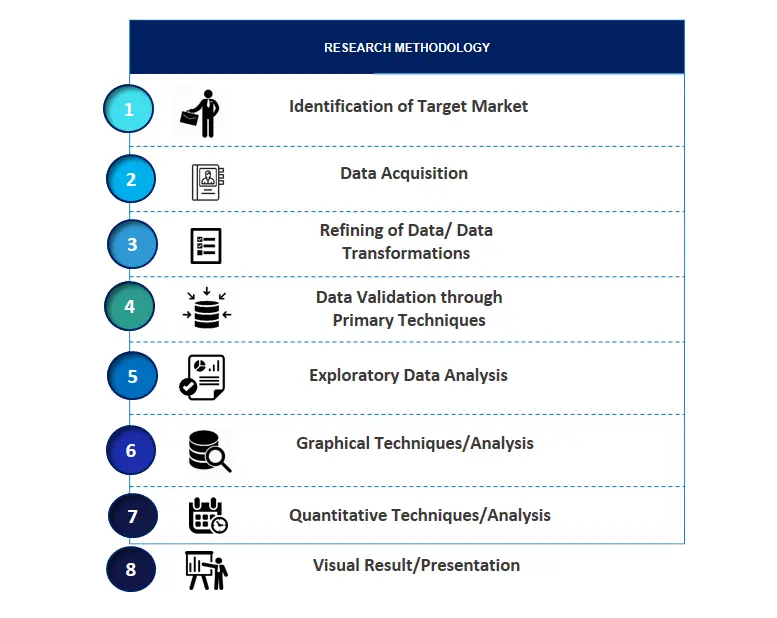
2. Research Methodology
2.1. Research data source
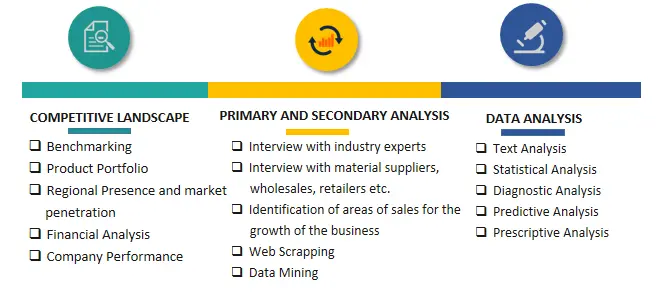
2.1.1. Secondary Data
2.1.2. Primary Data
2.1.3. SPER’s internal database
2.1.4. Premium insight from KOL’s
2.2. Market size estimation
2.2.1. Top-down and Bottom-up approach
2.3. Data triangulation
3. Executive Summary
4. Market Dynamics
4.1. Driver, Restraint, Opportunity and Challenges analysis
4.1.1. Drivers
4.1.2. Restraints
4.1.3. Opportunities
4.1.4. Challenges
5. Market variable and outlook
5.1. SWOT Analysis
5.1.1. Strengths
5.1.2. Weaknesses
5.1.3. Opportunities
5.1.4. Threats
5.2. PESTEL Analysis
5.2.1. Political Landscape
5.2.2. Economic Landscape
5.2.3. Social Landscape
5.2.4. Technological Landscape
5.2.5. Environmental Landscape
5.2.6. Legal Landscape
5.3. PORTER’s Five Forces
5.3.1. Bargaining power of suppliers
5.3.2. Bargaining power of buyers
5.3.3. Threat of Substitute
5.3.4. Threat of new entrant
5.3.5. Competitive rivalry
5.4. Heat Map Analysis
6. Competitive Landscape
6.1. Global Sleeping Bag Market Manufacturing Base Distribution, Sales Area, Product Type
6.2. Mergers & Acquisitions, Partnerships, Product Launch, and Collaboration in Global Sleeping Bag Market
7. Global Sleeping Bag Market, By Type, (USD Million) 2022-2035
7.1. Mummy sleeping bags
7.2. Rectangular sleeping bags
7.3. Semi-rectangular sleeping bags
7.4. Double sleeping bags
7.5. Convertible sleeping bags
7.6. Quilt sleeping bags
7.7. Others
8. Global Sleeping Bag Market, By Material, (USD Million) 2022-2035
8.1. Down
8.2. Synthetic (polyester)
8.3. Wool
8.4. Cotton
8.5. Others (silk)
9. Global Sleeping Bag Market, By Size, (USD Million) 2022-2035
9.1. Kids
9.2. Single
9.3. Double
9.4. Queen/King
9.5. Others (oversized)
10. Global Sleeping Bag Market, By End Use, (USD Million) 2022-2035
10.1. Residential
10.2. Commercial
10.3. Others
11. Global Sleeping Bag Market, By Distribution Channel, (USD Million) 2022-2035
11.1. Online
11.2. Offline
12. Global Sleeping Bag Market, (USD Million) 2022-2035
12.1. Global Sleeping Bag Market Size and Market Share
13. Global Sleeping Bag Market, By Region, (USD Million) 2022-2035
13.1. Asia-Pacific
13.1.1. Australia
13.1.2. China
13.1.3. India
13.1.4. Japan
13.1.5. South Korea
13.1.6. Rest of Asia-Pacific
13.2. Europe
13.2.1. France
13.2.2. Germany
13.2.3. Italy
13.2.4. Spain
13.2.5. United Kingdom
13.2.6. Rest of Europe
13.3. Middle East and Africa
13.3.1. Kingdom of Saudi Arabia
13.3.2. United Arab Emirates
13.3.3. Qatar
13.3.4. South Africa
13.3.5. Egypt
13.3.6. Morocco
13.3.7. Nigeria
13.3.8. Rest of Middle-East and Africa
13.4. North America
13.4.1. Canada
13.4.2. Mexico
13.4.3. United States
13.5. Latin America
13.5.1. Argentina
13.5.2. Brazil
13.5.3. Rest of Latin America
14. Company Profile
14.1. Big Agnes
14.1.1. Company details
14.1.2. Financial outlook
14.1.3. Product summary
14.1.4. Recent developments
14.2. Coleman
14.2.1. Company details
14.2.2. Financial outlook
14.2.3. Product summary
14.2.4. Recent developments
14.3. Feathered Friends
14.3.1. Company details
14.3.2. Financial outlook
14.3.3. Product summary
14.3.4. Recent developments
14.4. Kelty
14.4.1. Company details
14.4.2. Financial outlook
14.4.3. Product summary
14.4.4. Recent developments
14.5. L.L.Bean
14.5.1. Company details
14.5.2. Financial outlook
14.5.3. Product summary
14.5.4. Recent developments
14.6. Marmot
14.6.1. Company details
14.6.2. Financial outlook
14.6.3. Product summary
14.6.4. Recent developments
14.7. Mountain Hardwear
14.7.1. Company details
14.7.2. Financial outlook
14.7.3. Product summary
14.7.4. Recent developments
14.8. NEMO Equipment
14.8.1. Company details
14.8.2. Financial outlook
14.8.3. Product summary
14.8.4. Recent developments
14.9. Rab
14.9.1. Company details
14.9.2. Financial outlook
14.9.3. Product summary
14.9.4. Recent developments
14.10. REI Co-op
14.10.1. Company details
14.10.2. Financial outlook
14.10.3. Product summary
14.10.4. Recent developments
14.11. Sea to Summit
14.11.1. Company details
14.11.2. Financial outlook
14.11.3. Product summary
14.11.4. Recent developments
14.12. Sierra Designs
14.12.1. Company details
14.12.2. Financial outlook
14.12.3. Product summary
14.12.4. Recent developments
14.13. Therm-a-Rest
14.13.1. Company details
14.13.2. Financial outlook
14.13.3. Product summary
14.13.4. Recent developments
14.14. The North Face
14.14.1. Company details
14.14.2. Financial outlook
14.14.3. Product summary
14.14.4. Recent developments
14.15. Western Mountaineering
14.15.1. Company details
14.15.2. Financial outlook
14.15.3. Product summary
14.15.4. Recent developments
14.16. Others
15. Conclusion
16. List of Abbreviations
17. Reference Links