
Customer Perception Study: Small-Size Cars
How Drivers See Small Cars: Insights From a Three-Country Study
This small car consumer behavior study explores customer perception of small cars across different markets. Through an automotive survey on small car preferences, we surveyed 150 drivers across the US, UK, and Germany to understand how people perceive small or compact cars today. The research provides valuable small car market consumer insights into how culture, infrastructure, and driving habits influence attitudes toward smaller vehicles.
Awareness & First Impressions
Small cars are well-known and widely understood in the UK and Germany, where narrow streets, tight parking, and higher fuel prices have made compact vehicles part of everyday life for decades. These factors strongly influence the customer perception of small cars, often positioning them as practical and efficient transportation.
In the US, familiarity is noticeably lower. Many drivers see small cars as an unfamiliar category rather than an obvious choice—meaning the conversation often starts with education rather than preference. This difference highlights how regional environments shape small car market consumer insights and consumer awareness.
Attitudes & Emotional Response
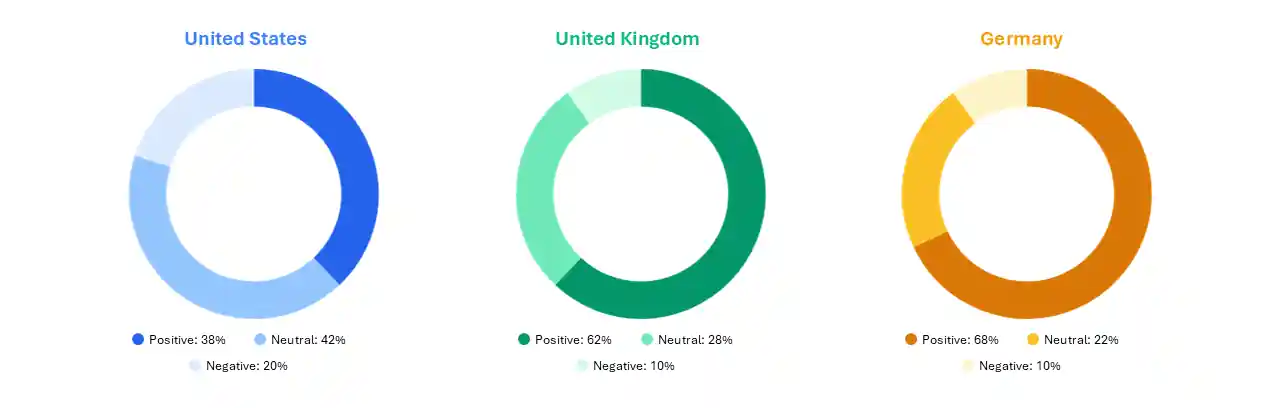
Europeans tend to view compact cars positively. In both the UK and Germany, they’re associated with practicality, smart design, and efficient mobility. In Germany especially, the segment benefits from strong domestic brands that have built trust and credibility within the small car category.
American drivers, on the other hand, appear more neutral. Small cars don’t trigger negative reactions — but they don’t inspire strong enthusiasm either. Many respondents described them as “fine” or “situational,” reflecting cultural associations where larger vehicles symbolize comfort, safety, and status. These responses provide deeper consumer insights on small car buying behavior.
Everyday Use: Practical or Limiting?
For European drivers, small cars fit well into daily routines: short commutes, dense traffic, and city-center driving. They’re seen as efficient, convenient, and easier to park — a logical match for the environment.
In the US, everyday driving often includes longer distances and highway-based travel, which makes many drivers question whether a compact vehicle can deliver enough comfort and performance. The mindset leans toward versatility and perceived capability, shaping overall customer perception of the segment.
Overall Perception (Positive / Neutral / Negative)
What Buyers Prioritize
The way people evaluate small cars also differs according to the automotive survey findings:
- In Europe, fuel efficiency is the top priority, followed by price and technical quality. Many buyers see small cars as the smarter and more responsible choice — both environmentally and financially.
- In the US, price still matters most, but branding and perceived safety play a larger role. Many drivers want reassurance that a compact vehicle can still offer premium features, protection, and reliability.
These findings contribute to broader consumer insights on small car buying behavior.
Technology & Power Preferences
European respondents — especially in Germany — are more open to electric and hybrid options within the small car segment. Government incentives and stronger charging infrastructure support this mindset.
Meanwhile, many US drivers still gravitate toward gasoline engines, suggesting the adoption curve for electrified small cars may be slower without targeted messaging or incentives. These results from the small car consumer behavior study highlight how infrastructure and policy influence technology adoption.
Ownership Experience & Advocacy
Those who have owned a compact car before — especially in Europe — report high satisfaction and strong willingness to recommend the category to others. Familiarity strengthens the customer perception of small cars, leading to stronger advocacy.
In contrast, most US respondents have never owned a small car. Without personal experience, opinions tend to rely on assumptions rather than firsthand benefits, creating a perception gap highlighted in this car study.
What the Study Suggests
The findings from this car study indicate that small cars already align with European lifestyles, values, and infrastructure — making them a default choice rather than a compromise.
In the US, the category represents more of a mindset shift than a product decision. To grow adoption, brands may need to focus on storytelling: safety reassurance, lifestyle relevance, design identity, and proof that “small” can still feel premium, modern, and capable. These insights contribute to deeper small car market consumer insights for automotive brands.