
Automotive Fault Controller Market
Global Automotive Fault Circuit Controller Market Growth, Size, Trends Analysis- By Component, By Vehicle, By Application, By Technology, By End Use – Regional Outlook, Competitive Strategies and Segment Forecast to 2035
| Published: Apr-2026 | Report ID: AMIN2641 | Pages: 1 - 250 | Formats*: |
| Category : Automotive & Transportation | |||
- In December 2024, Diodes Incorporated launched the AL8866Q, an 85V automotive- good LED motorist that includes integrated fault reporting features. acclimatized for contemporary vehicle lighting systems, it accommodates colorful topologies and comes with a fault affair able of detecting overvoltage, short circuits, open circuits, and thermal issues. The defensive features similar as cycle- by- cycle overcurrent operation and thermal arrestment, the AL8866Q ensures lighting safety and effectiveness across a variety of conditions.
- In November 2024, Infineon Technologies partnered with Stellantis to produce a slice- edge power armature concentrated on coming- generation electric vehicles. This collaboration will work PROFE smart power switches, silicon carbide (SiC) semiconductors, and AURI microcontrollers to ameliorate energy effectiveness, fault adaptability, and driving range. These factors are customized for superior fault discovery and power operation in EV platforms; by incorporating these technologies, the alliance supports Stellantis' larger vision of delivering safe, effective and cost-effective electric mobility.
- In May 2024, Eaton introduced a range of slice- edge safety technologies aimed at easing the growth of electric vehicles. Among these inventions is the Breaktor circuit protection technology, designed to deliver nippy and reliable fault protection for high- voltage battery and inverter systems, which are pivotal for maintaining the safety of EVs.
- In April 2024, Siemens presented the Simatic S7- 1200 G2 regulator at the hannover messe event, designed specifically for stir control and safety in automotive manufacturing settings. This rearmost generation of regulators offers enhanced machine safety, bettered fault diagnostics, and better system integration, effectively connecting functional and information technology, with quicker data processing and superior processing capabilities, it ensures real- time fault discovery in automated vehicle product lines.
| Report Metric | Details |
|---|---|
| Market size available for years | 2022-2035 |
| Base year considered | 2025 |
| Forecast period | 2026-2035 |
| Segments covered | By Component, By Vehicle, By Application, By Technology, By End Use |
| Regions covered | North America, Latin America, Asia-Pacific, Europe, and Middle East & Africa |
| Companies Covered | Automotive Fault Circuit Controller Market include ABB, Bosch Automotive Electronics, Eaton, General Electric (GE), Honeywell International, Infineon Technologies, Mitsubishi Electric, Panasonic Corporation, Schneider Electric, and Siemens |
- Global Automotive Fault Circuit Controller Market Size (FY’2022-FY’2035)
- Overview of Global Automotive Fault Circuit Controller Market
- Segmentation of Global Automotive Fault Circuit Controller Market by Component
- (automotive Fault Circuit Controller Market include Fault Circuit Controllers (FCC), Circuit Protection Devices, Sensors & Monitoring Units, and Control Modules.)
- Segmentation of Global Automotive Fault Circuit Controller Market by Vehicle {(Automotive Fault Circuit Controller Market, by Vehicle Type, includes Passenger Cars (Sedan, SUV, Hatchback) and Commercial Vehicles (LCVs – Light Commercial Vehicles, MCVs – Medium Commercial Vehicles, HCVs – Heavy Commercial Vehicles)}
- Segmentation of Global Automotive Fault Circuit Controller Market by Application (Engine Management Systems, Battery Management Systems, Lighting Systems, Infotainment and Connectivity Systems, Safety Systems, and HVAC (Heating, Ventilation, and Air Conditioning).
- Segmentation of Global Automotive Fault Circuit Controller Market by Technology (traditional Fault Circuit Controllers and Smart/Intelligent Fault Circuit Controllers)
- Segmentation of Global Automotive Fault Circuit Controller Market by End Use (OEMs (Original Equipment Manufacturers) and Aftermarket)
- Statistical Snap of Global Automotive Fault Circuit Controller Market
- Expansion Analysis of Global Automotive Fault Circuit Controller Market
- Problems and Obstacles in Global Automotive Fault Circuit Controller Market
- Competitive Landscape in the Global Automotive Fault Circuit Controller Market
- Details on Current Investment in Global Automotive Fault Circuit Controller Market
- Competitive Analysis of Global Automotive Fault Circuit Controller Market
- Prominent Players in the Global Automotive Fault Circuit Controller Market
- SWOT Analysis of Global Automotive Fault Circuit Controller Market
- Global Automotive Fault Circuit Controller Market Future Outlook and Projections (FY’2026-FY’2035)
- Recommendations from the analyst
1.1. Scope of the report1.2. Market segment analysis
2.1. Research data source
2.1.1. Secondary Data2.1.2. Primary Data2.1.3. SPER’s internal database2.1.4. Premium insight from KOL’s
2.2. Market size estimation
2.2.1. Top-down and Bottom-up approach
2.3. Data triangulation
4.1. Driver, Restraint, Opportunity and Challenges analysis
4.1.1. Drivers4.1.2. Restraints4.1.3. Opportunities4.1.4. Challenges
5.1. SWOT Analysis
5.1.1. Strengths5.1.2. Weaknesses5.1.3. Opportunities5.1.4. Threats
5.2. PESTEL Analysis
5.2.1. Political Landscape5.2.2. Economic Landscape5.2.3. Social Landscape5.2.4. Technological Landscape5.2.5. Environmental Landscape5.2.6. Legal Landscape
5.3. PORTER’s Five Forces
5.3.1. Bargaining power of suppliers5.3.2. Bargaining power of buyers5.3.3. Threat of Substitute5.3.4. Threat of new entrant5.3.5. Competitive rivalry
5.4. Heat Map Analysis
6.1. Global Automotive Fault Circuit Controller Market Manufacturing Base Distribution, Sales Area, Product Type6.2. Mergers & Acquisitions, Partnerships, Product Launch, and Collaboration in Global Automotive Fault Circuit Controller Market
7.1. Fault circuit controllers (FCC)7.2. Circuit protection devices7.3. Sensors & monitoring units7.4. Control modules
8.1. Passenger cars8.1.1. Sedan8.1.2. SUV8.1.3. Hatchback8.2. Commercial vehicles8.2.1. LCVs (light commercial vehicles)8.2.2. MCVs (medium commercial vehicles)8.2.3. HCVs (heavy commercial vehicles)
9.1. Engine management systems9.2. Battery management systems9.3. Lighting systems9.4. Infotainment and connectivity systems9.5. Safety systems9.6. HVAC (heating, ventilation, air conditioning)
10.1. Traditional fault circuit controllers10.2. Smart/intelligent fault circuit controllers
11.1. OEM (original equipment manufacturers)11.2. Aftermarket
12.1. Global Automotive Fault Circuit Controller Market Size and Market Share
13.1. Asia-Pacific
13.1.1. Australia13.1.2. China13.1.3. India13.1.4. Japan13.1.5. South Korea13.1.6. Rest of Asia-Pacific
13.2. Europe
13.2.1. France13.2.2. Germany13.2.3. Italy13.2.4. Spain13.2.5. United Kingdom13.2.6. Rest of Europe
13.3. Middle East and Africa
13.3.1. Kingdom of Saudi Arabia13.3.2. United Arab Emirates13.3.3. Qatar13.3.4. South Africa13.3.5. Egypt13.3.6. Morocco13.3.7. Nigeria13.3.8. Rest of Middle-East and Africa
13.4. North America
13.4.1. Canada13.4.2. Mexico13.4.3. United States
13.5. Latin America
13.5.1. Argentina13.5.2. Brazil13.5.3. Rest of Latin America
14.1. ABB
14.1.1. Company details14.1.2. Financial outlook14.1.3. Product summary14.1.4. Recent developments
14.2. Bosch Automotive Electronics
14.2.1. Company details14.2.2. Financial outlook14.2.3. Product summary14.2.4. Recent developments
14.3. Eaton
14.3.1. Company details14.3.2. Financial outlook14.3.3. Product summary14.3.4. Recent developments
14.4. General Electric (GE)
14.4.1. Company details14.4.2. Financial outlook14.4.3. Product summary14.4.4. Recent developments
14.5. Honeywell International
14.5.1. Company details14.5.2. Financial outlook14.5.3. Product summary14.5.4. Recent developments
14.6. Infineon Technologies
14.6.1. Company details14.6.2. Financial outlook14.6.3. Product summary14.6.4. Recent developments
14.7. Mitsubishi Electric
14.7.1. Company details14.7.2. Financial outlook14.7.3. Product summary14.7.4. Recent developments
14.8. Panasonic Corporation
14.8.1. Company details14.8.2. Financial outlook14.8.3. Product summary14.8.4. Recent developments
14.9. Schneider Electric
14.9.1. Company details14.9.2. Financial outlook14.9.3. Product summary14.9.4. Recent developments
14.10. Siemens
14.10.1. Company details14.10.2. Financial outlook14.10.3. Product summary14.10.4. Recent developments
14.11. Others
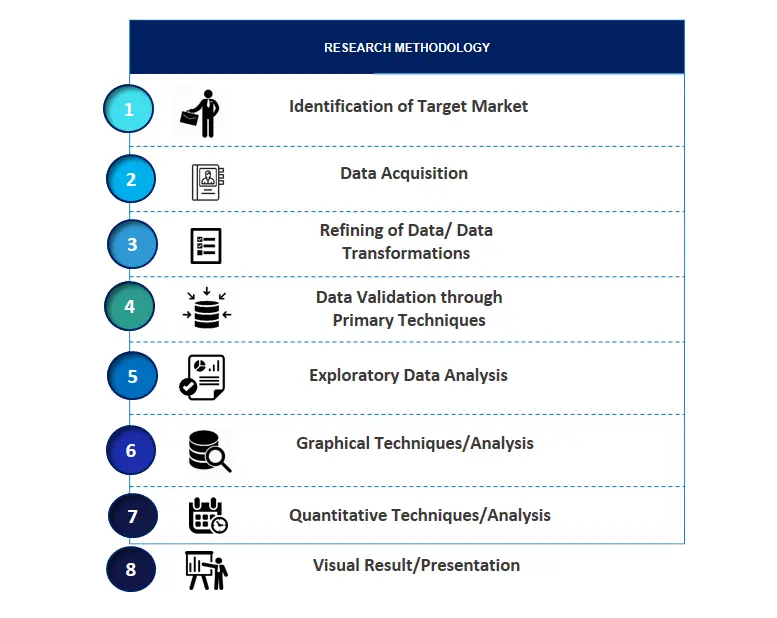
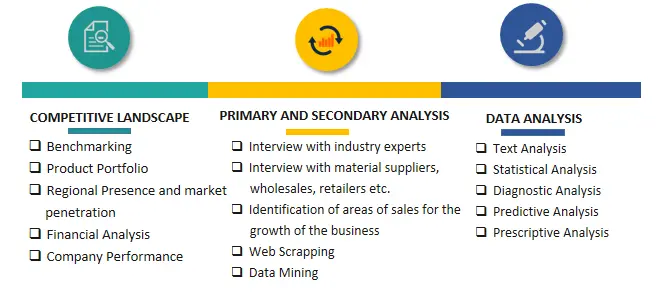
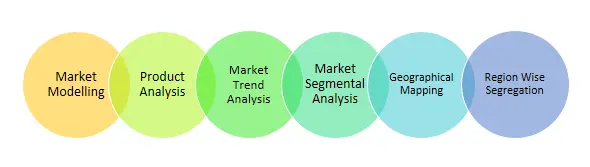
SPER Market Research’s methodology uses great emphasis on primary research to ensure that the market intelligence insights are up to date, reliable and accurate. Primary interviews are done with players involved in each phase of a supply chain to analyze the market forecasting. The secondary research method is used to help you fully understand how the future markets and the spending patterns look likes.
The report is based on in-depth qualitative and quantitative analysis of the Product Market. The quantitative analysis involves the application of various projection and sampling techniques. The qualitative analysis involves primary interviews, surveys, and vendor briefings. The data gathered as a result of these processes are validated through experts opinion. Our research methodology entails an ideal mixture of primary and secondary initiatives.
Frequently Asked Questions About This Report
PLACE AN ORDER
Year End Discount
Sample Report
Pre-Purchase Inquiry
NEED CUSTOMIZATION?
Request CustomizationCALL OR EMAIL US
100% Secure Payment