Automotive Key Interlock Cable Market Size Analysis

Global Automotive Key Interlock Cable Market Size - By Cable, By Functionality, By Vehicle, By Application, By Sales Channel - Regional Outlook, Competitive Strategies and Segment Forecast to 2034

Published: Jan-2026 Report ID: AMIN2617 Pages: 1 - 130 Formats*:     
Category : Automotive & Transportation
According to SPER Market Research, the Global Automotive Key Interlock Cable Market is estimated to reach USD 4.2 billion by 2034 with a CAGR 8.85%.

Introduction and Overview
The report includes an in-depth analysis of the Global automotive key interlock cable market, including market size and trends, product mix, Applications, and supplier analysis.

The Global Automotive key interlock cable sector worldwide hit USD 1.8 billion in value during 2024, with projections indicating an 8.85% CAGR from 2025 to 2034. Strong demand stems from heightened vehicle safety priorities, wider automatic transmission uptake, and rigorous standards for security and highway protection. Vehicle producers embed these interlock devices in sophisticated platforms to avert erroneous gear movements and elevate handling dependability across passenger cars, heavy trucks, and electric models. Such cables secure the shifter against activation sans ignition, proving indispensable in safety frameworks amid advances like robust, rust-resistant builds and electronic control unit fusion.

By Cable: Mechanical cables lead the market
Global Automotive key interlock cables ensure safe gear shifting and ignition control across diverse vehicle platforms. Mechanical variants deliver durable physical connections, electrical ones facilitate precise electronic signalling, and hybrid models blend both for enhanced flexibility. Smart cables incorporate advanced sensing for real-time feedback, with customized options adapting to unique design requirements. Evolving vehicle technologies, including electric powertrains and safety systems, drive innovation in these components to meet rising performance standards.

By Functionality: Automatic Key Interlock segment dominates the market
The global automotive key interlock cable market encompasses diverse functionalities designed to bolster vehicle safety and usability. Automatic interlocks secure the gear shifter until the ignition engages, minimizing risks in automated transmissions. Manual variants employ mechanical designs that demand physical driver action for release, offering dependable performance in conventional setups. Remote options leverage wireless technology for effortless activation via key fobs or apps, aligning with trends in electric and connected vehicles. Together, these systems enhance operational control, meet stringent safety norms, and support innovations across passenger, commercial, and emerging autonomous platforms worldwide.

By Vehicle: Passenger Vehicle was led the market
The worldwide market for automotive key interlock cables splits into passenger and commercial vehicle categories, revealing distinct dynamics. Passenger cars command the forefront, propelled by expanding automatic transmission adoption and rigorous safety standards that embed these cables to avert gear shifts without key presence. Commercial vehicles follow with practical uses in fleet operations, prioritizing robust designs for everyday reliability. Broader forces like regulatory compliance, heightened security awareness, and booming vehicle manufacturing fuel expansion across both areas, fostering innovation in cable technology for safer driving experiences.

By Application: 
Global Automotive key interlock cables play a crucial role in enhancing vehicle safety by integrating with security, ignition, transmission, and miscellaneous systems. These components ensure gear shifters remain locked without proper ignition activation, mitigating risks of accidental engagement in modern automobiles. As manufacturers prioritize advanced safety amid growing automatic transmission use, demand for these cable surges in diverse vehicle types, bolstering compliance and operational reliability across global markets.

Regional Insights:
The rapid adoption of electronic and smart locking technologies in modern security systems has increased the demand for durable and dependable key interlock cables to ensure consistent performance and reduce security vulnerabilities. The United States leads the North American automotive key interlock cable market, supported by stringent safety regulations, a growing emphasis on vehicle security, and accelerating electric vehicle adoption. Domestic automakers are increasingly integrating compliant interlock solutions into new models. At the same time, Germany and China are expected to experience strong growth over the coming years, driven by robust manufacturing capabilities, widespread use of advanced safety technologies, evolving European and Chinese regulatory frameworks, and rapid EV expansion. Leading automakers such as Volkswagen and BYD are enhancing interlock systems to improve theft prevention and enable smarter vehicle functionalities.

Market Competitive Landscape:
The Global automotive key interlock cable market is highly consolidated Some of the market key players are Cablecraft, DURA, Ficosa, HI-Lex, Kongsberg, Kongsberg, Kuster, Linamar, Orscheln, Suprajit

Recent Developments:

  • In September 2023, HI-Lex Corporation launched customizable mechanical interlock cables with superior performance and broad vehicle compatibility, underscoring their dedication to affordable, premium products.
  • August saw Cablecraft Motion Controls debut a modular key interlock cable system, enabling OEMs to adjust lengths and setups for diverse vehicles and boost design adaptability.
  • Suprajit Engineering ramped up Indian production in July 2023 to meet rising demand for precise, eco-friendly automotive interlock cables at home and abroad.

Scope of the report:
Report MetricDetails
Market size available for years2021-2034
Base year considered2024
Forecast period2025-2034
Segments coveredBy Cable, By Functionality, By Vehicle, By Application, By Sales Channel
Regions coveredNorth America, Latin America, Asia-Pacific, Europe, and Middle East & Africa
Companies CoveredCablecraft, DURA, Ficosa, HI-Lex, Kongsberg, Kongsberg, Kuster, Linamar, Orscheln, Suprajit

Key Topics Covered in the Report
  • Global automotive key interlock cable market Size (FY’2021-FY’2034)
  • Overview of Global automotive key interlock cable market 
  • Segmentation of Global automotive key interlock cable market by Cable (Mechanical cables, Electrical cables, Hybrid cables, Smart cables, Customized cables)
  • Segmentation of Global automotive key interlock cable market by Functionality (Automatic key interlock, Manual key interlock, Remote key interlock)
  • Segmentation of Global automotive key interlock cable market by Vehicle (Passenger Vehicle, Commercial Vehicles)
  • Segmentation of Global automotive key interlock cable market by Application (Automotive security system, Ignition system, Transmission system, Others)
  • Segmentation of Global automotive key interlock cable market by Sales Channel (OEM, Aftermarket)
  • Statistical Snap of Global automotive key interlock cable market 
  • Expansion Analysis of Global automotive key interlock cable market 
  • Problems and Obstacles in Global automotive key interlock cable market 
  • Competitive Landscape in the Global automotive key interlock cable market 
  • Details on Current Investment in Global automotive key interlock cable market  
  • Competitive Analysis of Global automotive key interlock cable market  
  • Prominent Players in the Global automotive key interlock cable market 
  • SWOT Analysis of Global automotive key interlock cable market  
  • Global automotive key interlock cable market Future Outlook and Projections (FY’2025-FY’2034)
  • Recommendations from Analyst

1. Introduction
1.1 Scope of the report
1.2 Market segment analysis

2. Research Methodology 
2.1 Research data source
2.1.1 Secondary Data
2.1.2 Primary Data
2.1.3 SPER’s internal Database
2.1.4 Primary insight from KOL’s
2.2 Market size estimation
2.2.1 Top-down and Bottom-up approach
2.3 Data triangulation

3. Executive Summary

4. Market Dynamics
4.1 Driver, Restraint, Opportunity and Challenges analysis
4.1.1 Drivers
4.1.2 Restraints
4.1.3 Opportunities
4.1.4 Challenges

5. Market variable and outlook
5.1 SWOT Analysis
5.1.1 Strengths
5.1.2 Weaknesses
5.1.3 Opportunities
5.1.4 Threats
5.2 PESTEL Analysis
5.2.1 Political Landscape
5.2.2 Economic Landscape
5.2.3 Social Landscape
5.2.4 Technological Landscape
5.2.5 Environmental Landscape
5.2.6 Legal Landscape
5.3 PORTER’s Five Forces
5.4 Heat Map Analysis

6. Competitive Landscape
6.1. Global Automotive Key Interlock Cable Market Manufacturing Base Distribution, Sales Area, Product Type
6.2 Mergers & Acquisitions, Partnerships, Product Launch, and Collaboration in Global Automotive Key Interlock Cable Market

7. Global Automotive Key Interlock Cable Market, By Cable, (USD Million) 2021-2034
7.1 Mechanical cables
7.2 Electrical cables
7.3 Hybrid cables
7.4 Smart cables
7.5 Customized cables

8. Global Automotive Key Interlock Cable Market, By Functionality, (USD Million) 2021-2034
8.1 Automatic Key interlock
8.2 Manual Key interlock
8.3 Remote Key interlock

9. Global Automotive Key Interlock Cable Market, By Vehicle, (USD Million) 2021-2034
9.1 Passenger Vehicle
9.2 Commercial Vehicles
9.2.1 LCV 
9.2.2 MCV
9.2.3 HCV

10. Global Automotive Key Interlock Cable Market, By Application, (USD Million) 2021-2034
10.1 Automotive security system
10.2 Ignition system
10.3 Transmission system
10.4 Others

11. Global Automotive Key Interlock Cable Market, By Sales Channel, (USD Million) 2021-2034
11.1 OEM
11.2 Aftermarket

12. Global Automotive Key Interlock Cable Market, (USD Million) 2021-2034
12.1 Global Automotive Key Interlock Cable Market Size and Market Share

13.  Global Automatic Number Plate Recognition System Market, By Region, 2021-2034 (USD Million)
13.1 Asia-Pacific
13.1.1 Australia
13.1.2 China
13.1.3 India
13.1.4 Japan
13.1.5 South Korea
13.1.6 Rest of Asia-Pacific
13.2 Europe
13.2.1 France
13.2.2 Germany 
13.2.3 Italy
13.2.4 Spain
13.2.5 United Kingdom
13.2.6 Rest of Europe
13.3 Middle East and Africa
13.3.1 Kingdom of Saudi Arabia
13.3.2 United Arab Emirates
13.3.3 Qatar
13.3.4 South Africa
13.3.5 Egypt
13.3.6 Morocco
13.3.7 Nigeria
13.3.8 Rest of Middle-East and Africa
13.4 North America
13.4.1 Canada 
13.4.2 Mexico
13.4.3 United States
13.5 Latin America
13.5.1 Argentina
13.5.2 Brazil
13.5.3 Rest of America

14. Company Profile
14.1 Cablecraft
14.1.1 Company details
14.1.2 Financial outlook
14.1.3 Product summary
14.1.4 Recent developments
14.2 DURA
14.2.1 Company details
14.2.2 Financial outlook
14.2.3 Product summary
14.2.4 Recent developments
14.3 Ficosa
14.3.1 Company details
14.3.2 Financial outlook
14.3.3 Product summary
14.3.4 Recent developments
14.4 HI-Lex
14.4.1 Company details
14.4.2 Financial outlook
14.4.3 Product summary
14.4.4 Recent developments
14.5 Kongsberg
14.5.1 Company details
14.5.2 Financial outlook
14.5.3 Product summary
14.5.4 Recent developments
14.6 Kuster
14.6.1 Company details
14.6.2 Financial outlook
14.6.3 Product summary
14.6.4 Recent developments
14.7 Linamar
14.7.1 Company details
14.7.2 Financial outlook
14.7.3 Product summary
14.7.4 Recent developments
14.8 Orscheln
14.8.1 Company details
14.8.2 Financial outlook
14.8.3 Product summary
14.8.4 Recent developments
14.9 Suprajit
14.9.1 Company details
14.9.2 Financial outlook
14.9.3 Product summary
14.9.4 Recent developments
14.10 Others

15. Conclusion

16. List Of Abbreviations

17. Reference Links

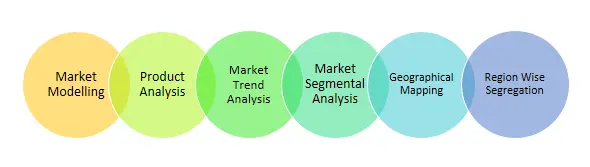
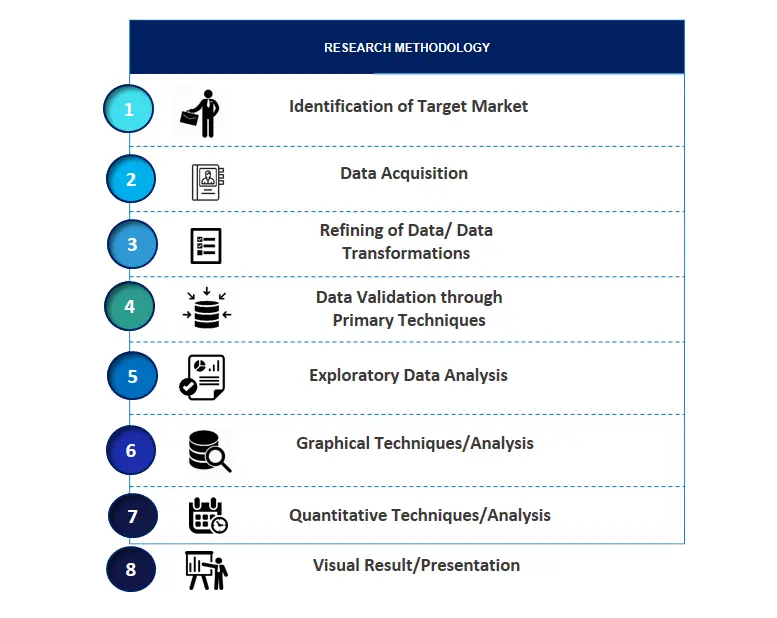
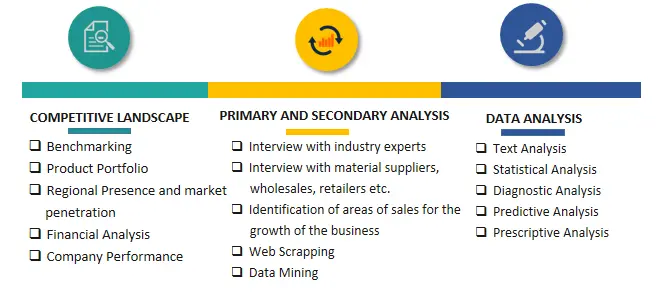
SPER Market Research’s methodology uses great emphasis on primary research to ensure that the market intelligence insights are up to date, reliable and accurate. Primary interviews are done with players involved in each phase of a supply chain to analyze the market forecasting. The secondary research method is used to help you fully understand how the future markets and the spending patterns look likes.

The report is based on in-depth qualitative and quantitative analysis of the Product Market. The quantitative analysis involves the application of various projection and sampling techniques. The qualitative analysis involves primary interviews, surveys, and vendor briefings.  The data gathered as a result of these processes are validated through experts opinion. Our research methodology entails an ideal mixture of primary and secondary initiatives.
SPER-Methodology-1

SPER-Methodology-2

SPER-Methodology-3


Frequently Asked Questions About This Report
PLACE AN ORDER
  • 15 % off
     
    $ 4250
  • 20 % off
             
    $ 5650
  • 25 % off
         
    $ 7450
Pre-Purchase Inquiry
SEND AN INQUIRY
NEED CUSTOMIZATION?
Request Customization
CALL OR EMAIL US
US:
India:
Email:
100% Secure Payment

SPER American Express
SPER VISA
SPER Master Card
SPER Mestro
SPER Paypal
SPER CCAvenues

Have a glance of the Report

  Download Free Sample

Looking for Customization?

 Customization Request

Have a Question?

 Reach Our Analysis Team

COVID-19 impact analysis?

 Request Analysis
Thought Leadership

Trusted by Industry Leaders

Our data-driven insights have influenced the strategy of 200+ reputed companies across the globe.

SPER-Astellas Pharma
SPER-Microsoft
SPER-EY
SPER-McKinsey
SPER-Bain
SPER-Max-Healthcare
SPER-DHL
SPER-IQVIA
SPER-Mitsubishi Logistics
SPER-PACCOR
SPER-Macmillan Education
SPER-Kankar IMRB
SPER-ITA
SPER-PWC
SPER-SAPTCA
SPER-Straumann
SPER-Danaher
SPER-AandM
SPER-MENARINI Silicon Biosystems
SPER-IPSOS
SPER-Heineken
HIPPA Compliant
GDPR Certified
ISO 27001
Peer Reviewed
Get Started Today

Your Competitive Advantage in
Pharmaceutical & Medical Technology
Markets

Join industry leaders leveraging AI-powered intelligence to make confident, data-driven decisions that accelerate breakthrough treatments and technologies to market.

No Credit Card Required
15-Minute Demo
Expert Guidance