
Global Automotive OEM Telematics Market Forecast 2034
Global Automotive OEM Telematics Market Growth, Size, Trends Analysis- By Type, By Vehicle, By Application, By Connectivity – Regional Outlook, Competitive Strategies and Segment Forecast to 2034
| Published: Jan-2026 | Report ID: AMIN2607 | Pages: 1 - 171 | Formats*: |
| Category : Automotive & Transportation | |||
- In May 2025, Leap motor, a producer of electric vehicles, adopted blackberry’s QNX platform for its new B10 SUV. Celebrated for its remarkable safety features and consistent performance, the QNX system will facilitate key functionalities in the vehicle, such as telematics, driver-assistance systems, and infotainment. This integration shows Leap motor’s commitment to delivering intelligent and secure driving experiences. This decision illustrates Leap motor’s dedication to providing connected driving experiences that are founded on a strong and dependable software infrastructure.
- In April 2025, L&T Technology Services (LTTS) secured a 50-million-euro agreement with a leading European automaker to develop and manage vehicle software for upcoming models. The project focuses on software-defined vehicle (SDV) platforms, proprietary operating systems, and cloud-based automotive technologies. LTTS will also establish a dedicated development centre to support this initiative, reinforcing its position as a key player in global automotive software engineering.
- In November 2024, a comprehensive range of connected vehicle Software-as-a-Service (SaaS) solutions was launched by wireless cars on the AWS Marketplace. This initiative encourages automotive manufacturers to utilize digital tools for monitoring vehicle data, managing fleets, and delivering remote services. By harnessing the scalability of AWS cloud infrastructure, wireless cars are facilitating automotive enterprises in achieving their digital transformation targets.
| Report Metric | Details |
|---|---|
| Market size available for years | 2021-2034 |
| Base year considered | 2025 |
| Forecast period | 2025-2034 |
| Segments covered | By Type, By Vehicle, By Application, By Connectivity |
| Regions covered | North America, Latin America, Asia-Pacific, Europe, and Middle East & Africa |
| Companies Covered | BMW Group, Continental, Ford Motor Company, General Motors, Hyundai Motor Company, Mercedes-Benz Group, Robert Bosch, Tesla, Toyota Motor, Volkswagen Group |
- Global Automotive OEM Telematics Market Size (FY’2021-FY’2034)
- Overview of Global Automotive OEM Telematics Market
- Segmentation of Global Automotive OEM Telematics Market by Type (Embedded telematics, Tethered telematics, Integrated smartphone telematics)
- Segmentation of Global Automotive OEM Telematics Market by Vehicle (Passenger cars, Commercial vehicles)
- Segmentation of Global Automotive OEM Telematics Market by Application (Fleet/asset management, Navigation & infotainment, Vehicle diagnostics, Safety & security, Remote monitoring & control, Emergency assistance (E-call), Usage-based insurance (UBI))
- Segmentation of Global Automotive OEM Telematics Market by Connectivity (3G, 4G LTE, 5G, Satellite communication)
- Statistical Snap of Global Automotive OEM Telematics Market
- Expansion Analysis of Global Automotive OEM Telematics Market
- Problems and Obstacles in Global Automotive OEM Telematics Market
- Competitive Landscape in the Global Automotive OEM Telematics Market
- Details on Current Investment in Global Automotive OEM Telematics Market
- Competitive Analysis of Global Automotive OEM Telematics Market
- Prominent Players in the Global Automotive OEM Telematics Market
- SWOT Analysis of Global Automotive OEM Telematics Market
- Global Automotive OEM Telematics Market Future Outlook and Projections (FY’2025-FY’2034)
- Recommendations from Analyst
1.1. Scope of the report1.2. Market segment analysis
2.1. Research data source
2.1.1. Secondary Data2.1.2. Primary Data2.1.3. SPER’s internal database2.1.4. Premium insight from KOL’s
2.2. Market size estimation
2.2.1. Top-down and Bottom-up approach
2.3. Data triangulation
4.1. Driver, Restraint, Opportunity and Challenges analysis
4.1.1. Drivers4.1.2. Restraints4.1.3. Opportunities4.1.4. Challenges
5.1. SWOT Analysis
5.1.1. Strengths5.1.2. Weaknesses5.1.3. Opportunities5.1.4. Threats
5.2. PESTEL Analysis
5.2.1. Political Landscape5.2.2. Economic Landscape5.2.3. Social Landscape5.2.4. Technological Landscape5.2.5. Environmental Landscape5.2.6. Legal Landscape
5.3. PORTER’s Five Forces
5.3.1. Bargaining power of suppliers5.3.2. Bargaining power of buyers5.3.3. Threat of Substitute5.3.4. Threat of new entrant5.3.5. Competitive rivalry
5.4. Heat Map Analysis
6.1. Global Railway Sliding Bearing Market Manufacturing Base Distribution, Sales Area, Product Type6.2. Mergers & Acquisitions, Partnerships, Product Launch, and Collaboration in Global Railway Sliding Bearing Market
7.1. Plain sliding7.2. Spherical sliding7.3. Cylindrical sliding7.4. Flanged sliding7.5. Thrust sliding7.6. Custom/Composite
8.1. Metal-based8.2. Polymer-based8.3. Composite bearings8.4. Ceramic-based
9.1. Freight trains9.2. Passenger trains9.3. High-Speed trains9.4. Light rail/trams9.5. Metro/subway systems9.6. Monorails
10.1. Direct sales10.2. Distributors/dealers10.3. Online platforms
11.1. OEM11.2. Aftermarket
12.1. Global Railway Sliding Bearing Market Size and Market Share
13.1. Asia-Pacific
13.1.1. Australia13.1.2. China13.1.3. India13.1.4. Japan13.1.5. South Korea13.1.6. Rest of Asia-Pacific
13.2. Europe
13.2.1. France13.2.2. Germany13.2.3. Italy13.2.4. Spain13.2.5. United Kingdom13.2.6. Rest of Europe
13.3. Middle East and Africa
13.3.1. Kingdom of Saudi Arabia13.3.2. United Arab Emirates13.3.3. Qatar13.3.4. South Africa13.3.5. Egypt13.3.6. Morocco13.3.7. Nigeria13.3.8. Rest of Middle-East and Africa
13.4. North America
13.4.1. Canada13.4.2. Mexico13.4.3. United States
13.5. Latin America
13.5.1. Argentina13.5.2. Brazil13.5.3. Rest of Latin America
14.1. AB SKF
14.1.1. Company details14.1.2. Financial outlook14.1.3. Product summary14.1.4. Recent developments
14.2. GGB
14.2.1. Company details14.2.2. Financial outlook14.2.3. Product summary14.2.4. Recent developments
14.3. JTEKT
14.3.1. Company details14.3.2. Financial outlook14.3.3. Product summary14.3.4. Recent developments
14.4. Liebherr Group
14.4.1. Company details14.4.2. Financial outlook14.4.3. Product summary14.4.4. Recent developments
14.5. MinebeaMitsumi
14.5.1. Company details14.5.2. Financial outlook14.5.3. Product summary14.5.4. Recent developments
14.6. NSK
14.6.1. Company details14.6.2. Financial outlook14.6.3. Product summary14.6.4. Recent developments
14.7. NTN
14.7.1. Company details14.7.2. Financial outlook14.7.3. Product summary14.7.4. Recent developments
14.8. Schaeffler Group
14.8.1. Company details14.8.2. Financial outlook14.8.3. Product summary14.8.4. Recent developments
14.9. The Timken Company
14.9.1. Company details14.9.2. Financial outlook14.9.3. Product summary14.9.4. Recent developments
14.10. ZKL Group
14.10.1. Company details14.10.2. Financial outlook14.10.3. Product summary14.10.4. Recent developments
14.11. Others
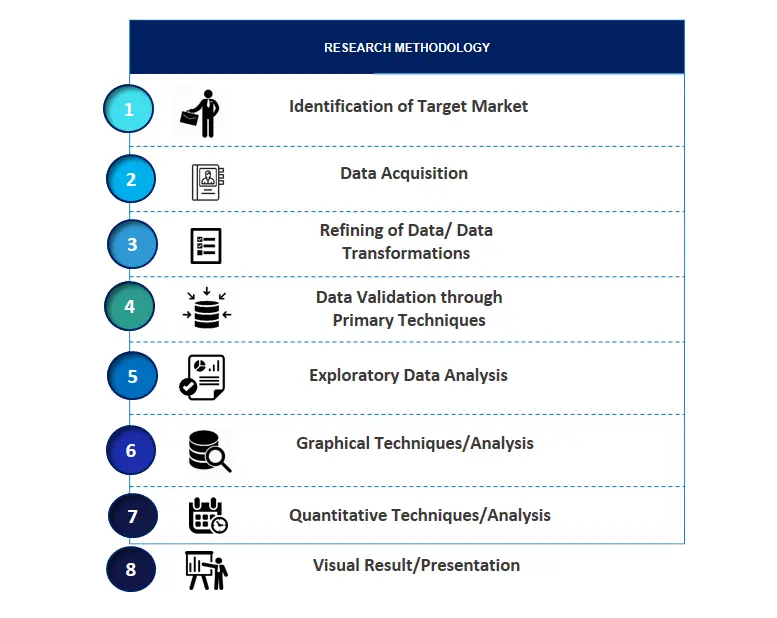
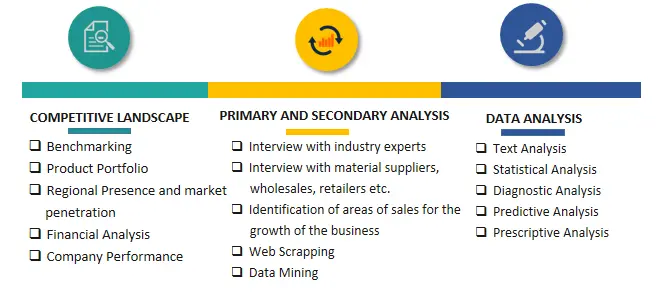
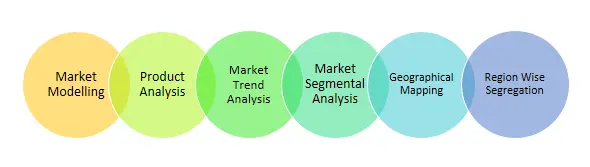
SPER Market Research’s methodology uses great emphasis on primary research to ensure that the market intelligence insights are up to date, reliable and accurate. Primary interviews are done with players involved in each phase of a supply chain to analyze the market forecasting. The secondary research method is used to help you fully understand how the future markets and the spending patterns look likes.
The report is based on in-depth qualitative and quantitative analysis of the Product Market. The quantitative analysis involves the application of various projection and sampling techniques. The qualitative analysis involves primary interviews, surveys, and vendor briefings. The data gathered as a result of these processes are validated through experts opinion. Our research methodology entails an ideal mixture of primary and secondary initiatives.
Frequently Asked Questions About This Report
PLACE AN ORDER
Year End Discount
Sample Report
Pre-Purchase Inquiry
NEED CUSTOMIZATION?
Request CustomizationCALL OR EMAIL US
100% Secure Payment