
Off-Highway EV Components Market
Global Off-highway EV Component Market Growth, Size, Trends Analysis- By Component, By Propulsion, By Application, By Vehicle– Regional Outlook, Competitive Strategies and Segment Forecast to 2035
| Published: Apr-2026 | Report ID: AMIN2635 | Pages: 1 - 250 | Formats*: |
| Category : Automotive & Transportation | |||
- In April 2025, Liebherr unveiled a new endless attraction electric motor designed for out- trace outfit, offering the same power viscosity as traditional hydraulic motors but with significantly advanced effectiveness 94 – 96 versus about 50 for hydraulics. The oil painting- cooled motor eliminates the need for hydraulic hoses and factors, reducing machine weight, simplifying installation, and lowering conservation requirements. The design also improves functional trustability and mean time between failures due to smaller gears and factors.
- In March 2025, Amsted Automotive blazoned new products and expanded capacity for out- trace electric vehicle (OHEV) manufacturers in the US. crucial immolations include the Amsted eAxle Disconnect, which enables flawless switching between two- and four- wheel drive in EVs and mongrels, adding driving range by over to 10 throughultra-efficient Dynamic Controllable Clutch (DCC) technology. These inventions are manufactured in Amsted’s US installations and support the growing electrification requirements of agrarian, construction, and other off- trace outfit sectors.
- In February 2025, Carlyle acquired controlling stakes in Roop Automotives and Highway diligence, combining them to form a diversified global bus corridor platform. Both companies are leading manufacturers of forged and perfection-crafted factors, steering assemblies, and powertrain corridor for electric, cold-blooded, and internal combustion machine vehicles. The new platform boasts over 1,500 products, 55 global guests across 17 countries, and a significant manufacturing and warehousing footmark.
| Report Metric | Details |
|---|---|
| Market size available for years | 2022-2035 |
| Base year considered | 2025 |
| Forecast period | 2026-2035 |
| Segments covered | By Component, By Propulsion, By Application, By Vehicle, By Sales Channel |
| Regions covered | North America, Latin America, Asia-Pacific, Europe, and Middle East & Africa |
| Companies Covered | Caterpillar, Deere & Company, Hitachi Construction Machinery, Komatsu, Kubota, Liebherr, Sona Comstar, Tata AutoComp, Tata Elxsi, and Volvo AB. |
- Global Off-Highway EV Component Market Size (FY’2022–FY’2035)
- Overview of Global Off-Highway EV Component Market
- Segmentation of Global Off-Highway EV Component Market by Component (Battery packs, Electric motors, Controllers, Inverters, Power electronics, Thermal management systems, Onboard chargers, Electric power steering systems, Others)
- Segmentation of Global Off-Highway EV Component Market by Propulsion (Battery electric vehicles (BEV), Plug-in hybrid electric vehicles (PHEV), Hybrid electric vehicles (HEV), Fuel cell electric vehicles (FCEV))
- Segmentation of Global Off-Highway EV Component Market by Application (Material handling, Earthmoving, Harvesting, Transport & hauling, Drilling & blasting)
- Segmentation of Global Off-Highway EV Component Market by Vehicle (Electric construction vehicles, Electric agricultural vehicles, Electric mining vehicles)
- Segmentation of Global Off-Highway EV Component Market by Sales Channel (Original Equipment Manufacturers (OEM), Aftermarket)
- Statistical Snap of Global Off-Highway EV Component Market
- Expansion Analysis of Global Off-Highway EV Component Market
- Problems and Obstacles in Global Off-Highway EV Component Market
- Competitive Landscape in the Global Off-Highway EV Component Market
- Details on Current Investment in Global Off-Highway EV Component Market
- Competitive Analysis of Global Off-Highway EV Component Market
- Prominent Players in the Global Off-Highway EV Component Market
- SWOT Analysis of Global Off-Highway EV Component Market
- Global Off-Highway EV Component Market Future Outlook and Projections (FY’2026–FY’2035)
- Recommendations from Analyst
1.1. Scope of the report1.2. Market segment analysis
2.1. Research data source
2.1.1. Secondary Data2.1.2. Primary Data2.1.3. SPER’s internal database2.1.4. Premium insight from KOL’s
2.2. Market size estimation
2.2.1. Top-down and Bottom-up approach
2.3. Data triangulation
4.1. Driver, Restraint, Opportunity and Challenges analysis
4.1.1. Drivers4.1.2. Restraints4.1.3. Opportunities4.1.4. Challenges
5.1. SWOT Analysis
5.1.1. Strengths5.1.2. Weaknesses5.1.3. Opportunities5.1.4. Threats
5.2. PESTEL Analysis
5.2.1. Political Landscape5.2.2. Economic Landscape5.2.3. Social Landscape5.2.4. Technological Landscape5.2.5. Environmental Landscape5.2.6. Legal Landscape
5.3. PORTER’s Five Forces
5.3.1. Bargaining power of suppliers5.3.2. Bargaining power of buyers5.3.3. Threat of Substitute5.3.4. Threat of new entrant5.3.5. Competitive rivalry
5.4. Heat Map Analysis
6.1. Global Off-highway EV Component Market Manufacturing Base Distribution, Sales Area, Product Type6.2. Mergers & Acquisitions, Partnerships, Product Launch, and Collaboration in Global Off-highway EV Component Market
7.1. Battery packs7.2. Electric motors7.3. Controllers7.4. Inverters7.5. Power electronics7.6. Thermal management systems7.7. Onboard chargers7.8. Electric power steering systems7.9. Others
8.1. Battery electric vehicles (BEV)8.2. Plug-in hybrid electric vehicles (PHEV)8.3. Hybrid electric vehicles (HEV)8.4. Fuel cell electric vehicles (FCEV)
9.1. Material handling9.2. Earthmoving9.3. Harvesting9.4. Transport & hauling9.5. Drilling & blasting
10.1. Electric construction vehicles
10.1.1. Excavators10.1.2. Bulldozers10.1.3. Loaders
10.2. Electric agricultural vehicles
10.2.1. Tractors10.2.2. Harvesters10.2.3. Sprayers
10.3. Electric mining vehicles
10.3.1. Haul trucks10.3.2. Drills
10.4. Others
11.1. Original Equipment Manufacturers (OEM)11.2. Aftermarket
12.1. Global Off-highway EV Component Market Size and Market Share
13.1. Asia-Pacific
13.1.1. Australia13.1.2. China13.1.3. India13.1.4. Japan13.1.5. South Korea13.1.6. Rest of Asia-Pacific
13.2. Europe
13.2.1. France13.2.2. Germany13.2.3. Italy13.2.4. Spain13.2.5. United Kingdom13.2.6. Rest of Europe
13.3. Middle East and Africa
13.3.1. Kingdom of Saudi Arabia13.3.2. United Arab Emirates13.3.3. Qatar13.3.4. South Africa13.3.5. Egypt13.3.6. Morocco13.3.7. Nigeria13.3.8. Rest of Middle-East and Africa
13.4. North America
13.4.1. Canada13.4.2. Mexico13.4.3. United States
13.5. Latin America
13.5.1. Argentina13.5.2. Brazil13.5.3. Rest of Latin America
14.1. Caterpillar
14.1.1. Company details14.1.2. Financial outlook14.1.3. Product summary14.1.4. Recent developments
14.2. Deere & Company
14.2.1. Company details14.2.2. Financial outlook14.2.3. Product summary14.2.4. Recent developments
14.3. Hitachi Construction Machinery
14.3.1. Company details14.3.2. Financial outlook14.3.3. Product summary14.3.4. Recent developments
14.4. Komatsu
14.4.1. Company details14.4.2. Financial outlook14.4.3. Product summary14.4.4. Recent developments
14.5. Kubota
14.5.1. Company details14.5.2. Financial outlook14.5.3. Product summary14.5.4. Recent developments
14.6. Liebherr
14.6.1. Company details14.6.2. Financial outlook14.6.3. Product summary14.6.4. Recent developments
14.7. Sona Comstar
14.7.1. Company details14.7.2. Financial outlook14.7.3. Product summary14.7.4. Recent developments
14.8. Tata AutoComp
14.8.1. Company details14.8.2. Financial outlook14.8.3. Product summary14.8.4. Recent developments
14.9. Tata Elxsi
14.9.1. Company details14.9.2. Financial outlook14.9.3. Product summary14.9.4. Recent developments
14.10. Volvo AB
14.10.1. Company details14.10.2. Financial outlook14.10.3. Product summary14.10.4. Recent development
14.11. Others
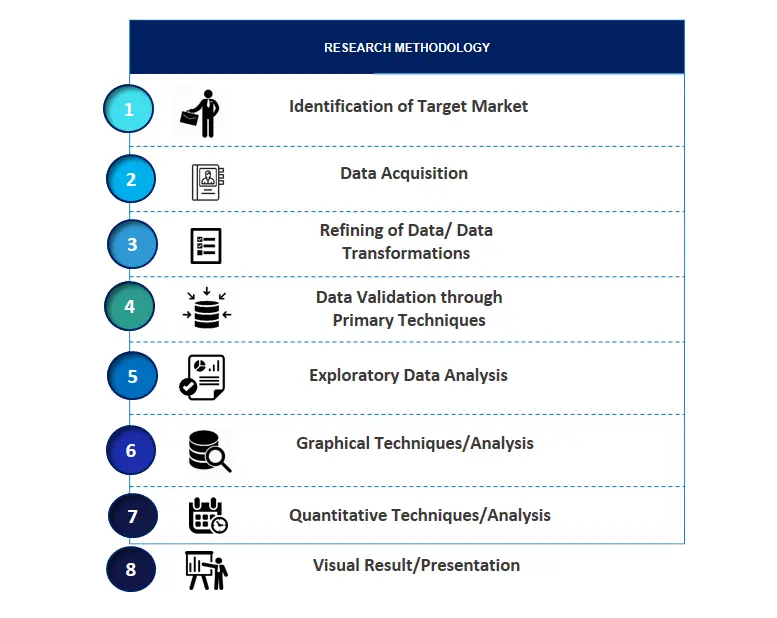
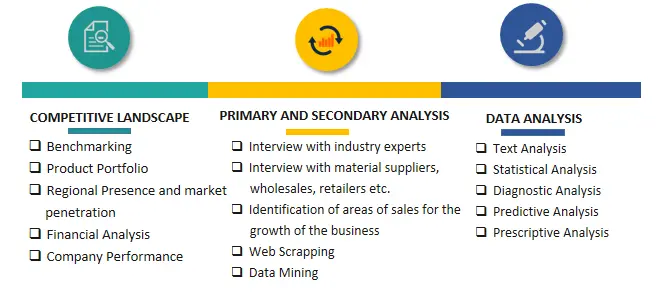
SPER Market Research’s methodology uses great emphasis on primary research to ensure that the market intelligence insights are up to date, reliable and accurate. Primary interviews are done with players involved in each phase of a supply chain to analyze the market forecasting. The secondary research method is used to help you fully understand how the future markets and the spending patterns look likes.
The report is based on in-depth qualitative and quantitative analysis of the Product Market. The quantitative analysis involves the application of various projection and sampling techniques. The qualitative analysis involves primary interviews, surveys, and vendor briefings. The data gathered as a result of these processes are validated through experts opinion. Our research methodology entails an ideal mixture of primary and secondary initiatives.
Frequently Asked Questions About This Report
PLACE AN ORDER
Year End Discount
Sample Report
Pre-Purchase Inquiry
NEED CUSTOMIZATION?
Request CustomizationCALL OR EMAIL US
100% Secure Payment